
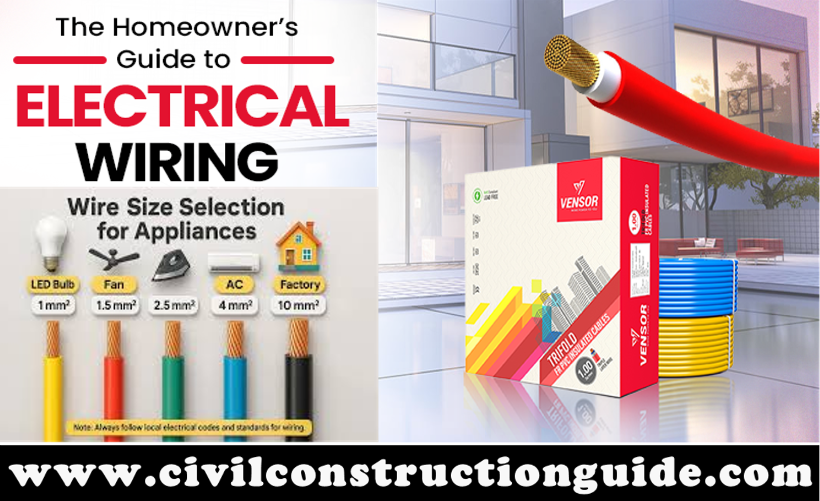
Electrical wiring is one of the most important systems in any residential, commercial, or industrial building. A properly designed and installed electrical wiring system ensures safety, efficiency, reliability, and long-term performance of electrical appliances and equipment.
Discover More
Material Rates Grey Structure Material Prices Plaster Calculator PCC Concrete Calculator Block Masonry Calculator Statistical Bulletin 2026 Civil Engineering Calculators Finishing Material Prices Sanitary Material PricesWhether you are constructing a new house, renovating an existing property, or planning your electrical installation, understanding the basics of electrical wiring is essential.
This comprehensive guide explains everything you need to know about house electrical wiring, including wiring types, electrical components, cable sizes, load calculations, installation procedures, estimated costs, safety measures, and common mistakes to avoid.
What is Electrical Wiring?
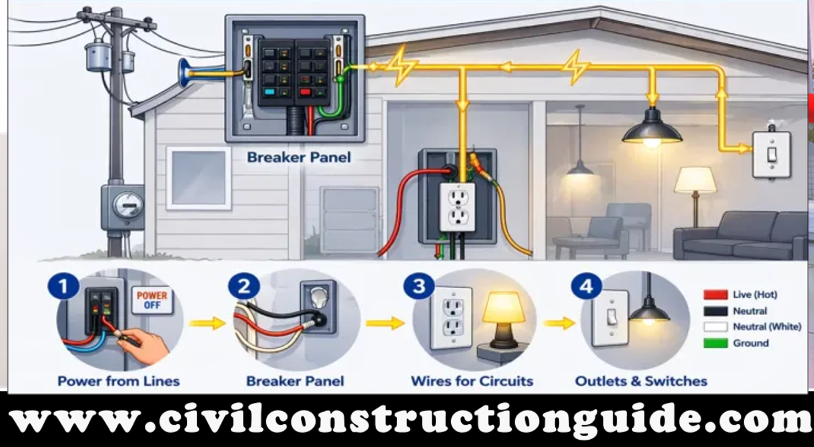
Electrical wiring refers to the network of cables, conductors, switches, sockets, distribution boards, and protective devices used to distribute electrical power throughout a building.
The purpose of electrical wiring is to safely deliver electricity from the main supply source to various electrical appliances and fixtures such as:
- Lights
- Fans
- Air Conditioners
- Refrigerators
- Water Pumps
- Geysers
- Computers
- Televisions
- Kitchen Appliances
A properly designed wiring system ensures efficient power distribution while protecting occupants from electrical hazards.
Importance of Proper Electrical Wiring
Poor electrical wiring can result in:
- Electric shocks
- Fire hazards
- Equipment damage
- High electricity losses
- Frequent breaker trips

Proper electrical wiring offers:
✔ Safe operation
✔ Reliable power distribution
✔ Energy efficiency
✔ Longer equipment life
✔ Reduced maintenance costs
✔ Compliance with electrical standards
Types of Electrical Wiring Used in Buildings
Discover More
Property Tax Calculator Unit Converter Quantity Takeoff Sheets Construction Cost Calculator Building Materials House Plans Videos Concrete Calculator Column Steel Calculator1. Concealed Wiring
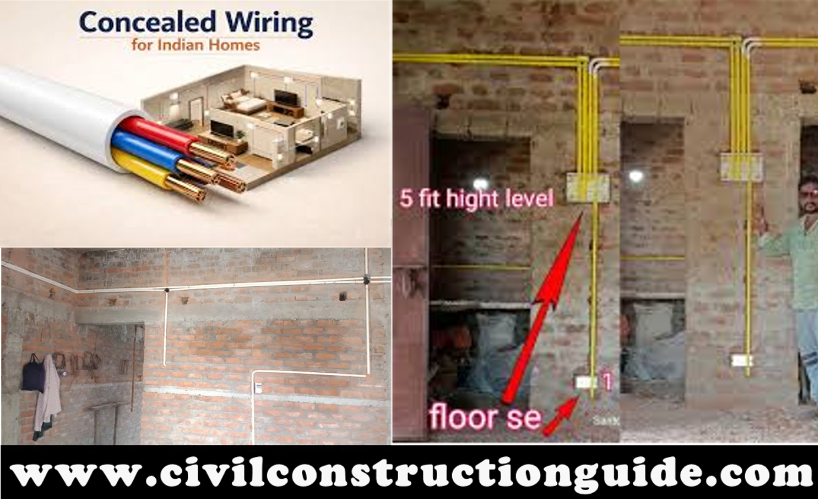
Concealed wiring is the most commonly used wiring method in modern homes.
The cables are installed inside PVC conduits embedded within walls, slabs, and ceilings.
Advantages
✔ Attractive appearance
✔ Better protection
✔ Higher durability
✔ Increased safety
Disadvantages
❌ Difficult to modify later
❌ Higher installation cost
2. Surface Wiring
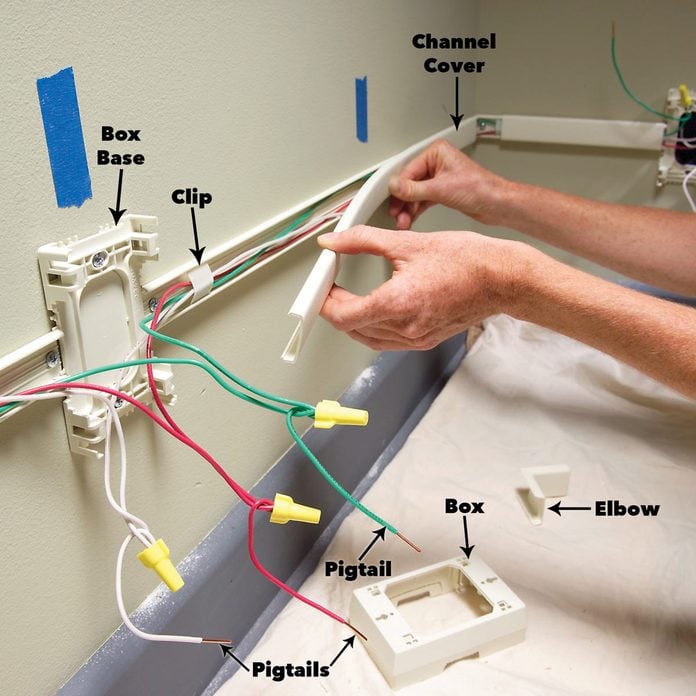
Surface wiring is installed directly on walls using clips or casing.
Advantages
✔ Easy installation
✔ Lower cost
✔ Easy maintenance
Disadvantages
❌ Less attractive
❌ More exposed to damage
3. Conduit Wiring
Conduit wiring uses PVC or steel conduits to protect electrical cables.
Advantages
✔ Excellent protection
✔ Long service life
✔ Suitable for residential and commercial buildings
Main Components of a House Electrical System
Energy Meter
Measures electricity consumption.
Main Distribution Board (DB)
Distributes electricity to various circuits within the house.
Miniature Circuit Breakers (MCBs)
Protect circuits against overload and short circuits.
RCCB (Residual Current Circuit Breaker)
Protects users against electric shock.
Discover More
Material RatesGrey Structure Material PricesPlaster CalculatorPCC Concrete CalculatorBlock Masonry CalculatorStatistical Bulletin 2026Civil Engineering CalculatorsFinishing Material PricesSanitary Material Prices
Switches and Sockets
Control and distribute electrical power to appliances.
Earthing System
Provides a safe path for fault currents.
Standard Wire Sizes Used in Residential Buildings
Selecting the correct cable size is critical for safety and performance.
| Application | Recommended Wire Size |
|---|---|
| LED Lights | 1.5 mm² |
| Ceiling Fans | 1.5 mm² |
| Socket Circuits | 2.5 mm² |
| Water Pump | 4 mm² |
| Air Conditioner | 4–6 mm² |
| Electric Geyser | 6 mm² |
| Main Incoming Supply | 10–16 mm² |

Always consult a qualified electrician or electrical engineer for final sizing based on actual load.
Electrical Wire Color Codes
Correct color identification helps avoid installation errors.
| Conductor | Color |
| Phase (Live) | Brown / Red |
| Neutral | Blue / Black |
| Earth | Green |
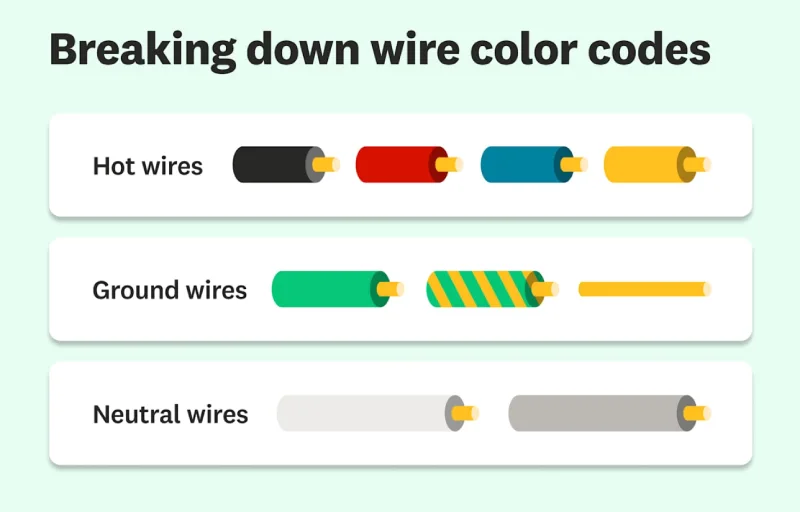
Never interchange conductor colors during installation.
How to Calculate Electrical Load
Electrical load calculation is one of the most important steps in electrical design.
Formula
Total Load (Watts) = Sum of Appliance Wattages

Electrical Load Calculator
Example
10 LED Bulbs × 12W = 120W
5 Ceiling Fans × 80W = 400W
1 Refrigerator × 250W = 250W
2 Air Conditioners × 1500W = 3000W
Total Load = 3770W
Discover More
Property Tax Calculator Unit Converter Quantity Takeoff Sheets Construction Cost Calculator Building Materials House Plans Videos Concrete Calculator Column Steel CalculatorThis load helps determine:
- Cable size
- MCB size
- Inverter size
- Solar system capacity
House Wiring Layout Planning
Before wiring installation, prepare an electrical layout plan showing:
- Light points
- Fan points
- Socket locations
- AC points
- Water pump connection
- Distribution board location
- Earthing pit location
Proper planning reduces future modifications and expenses.
Electrical Wiring Installation Process
Step 1: Electrical Design
Prepare electrical drawings and load calculations.
Step 2: Conduit Installation
Install PVC conduits inside walls and slabs before plastering.
Step 3: Junction Box Installation
Install switch boxes, socket boxes, and junction boxes.
Step 4: Wire Pulling
Pull electrical wires through conduits after plastering.
Step 5: Distribution Board Installation
Install DB, MCBs, RCCBs, and protective devices.
Step 6: Testing
Conduct continuity, insulation resistance, and earthing tests.
Step 7: Energization
Connect the main power supply after successful testing.
Estimated House Wiring Cost in Pakistan 2026
The cost depends on:
- House size
- Number of circuits
- Cable quality
- Electrical accessories
- Labour rates
Approximate Cost
| House Size | Estimated Cost |
| 3 Marla | Rs. 250,000 – 400,000 |
| 5 Marla | Rs. 400,000 – 700,000 |
| 7 Marla | Rs. 700,000 – 1,000,000 |
| 10 Marla | Rs. 1,000,000 – 1,500,000 |
Premium brands and smart-home systems may increase costs.
Importance of Earthing
Earthing protects people and equipment from electrical faults.
Benefits include:
✔ Shock protection
✔ Equipment protection
✔ Fire prevention
✔ Improved system stability
Every house should have a properly designed earthing system.
Essential Electrical Safety Tips
✔ Use quality cables and accessories
✔ Install RCCB protection
✔ Avoid overloaded circuits
✔ Use proper earthing
✔ Conduct periodic inspections
✔ Hire qualified electricians
✔ Never use damaged wires
✔ Keep electrical panels accessible
Common Electrical Wiring Mistakes
Avoid the following:
❌ Undersized cables
❌ No earthing
❌ Poor wire joints
❌ Overloaded circuits
❌ Cheap electrical accessories
❌ Incorrect MCB ratings
❌ Poor conduit planning
Discover More
Material Rates Grey Structure Material Prices Plaster Calculator PCC Concrete Calculator Block Masonry Calculator Statistical Bulletin 2026 Civil Engineering Calculators Finishing Material Prices Sanitary Material PricesFrequently Asked Questions
Which wiring system is best for homes?
Concealed conduit wiring is generally considered the safest and most attractive option for residential buildings.
What wire size is used for air conditioners?
Most residential air conditioners require 4 mm² to 6 mm² cables depending on capacity.
Is earthing necessary?
Yes. Earthing is one of the most important electrical safety requirements.
How much does house wiring cost in Pakistan?
The cost depends on house size, material quality, and labour rates but generally ranges from Rs. 250,000 to Rs. 1,500,000.
What is RCCB?
An RCCB protects occupants from electric shocks by disconnecting power during leakage currents.
Related Articles
- Solar Load & Installation Calculator
- House Construction Cost Calculator
- Cement Concrete Calculator
- Steel Weight Calculator
- Paint Calculator
- Block Masonry Calculator
- Property Tax Calculator
- Electrical Load Calculator
Conclusion
Electrical wiring is the backbone of every modern building. Proper planning, correct cable sizing, quality materials, and adherence to safety standards ensure a reliable and long-lasting electrical system.
Whether you are a homeowner, contractor, engineer, or student, understanding electrical wiring principles will help you make better decisions and avoid costly mistakes during construction.

Muhammad Bilal is a Civil Engineer and Construction Specialist with an MS in Engineering Management and 13+ years of professional experience. He shares practical construction knowledge, cost estimation, and RCC site expertise at CivilConstructionGuide.com.