
Introduction – What is Steel Rebar (Sarya)?
Steel reinforcement bars, commonly known as Sarya, are essential structural materials used in reinforced cement concrete (RCC). Concrete is strong in compression but weak in tension. Steel rebar is embedded in concrete to resist tensile forces, making structures strong, durable, and safe.
From small residential houses to mega infrastructure projects, steel rebar is the backbone of modern construction.
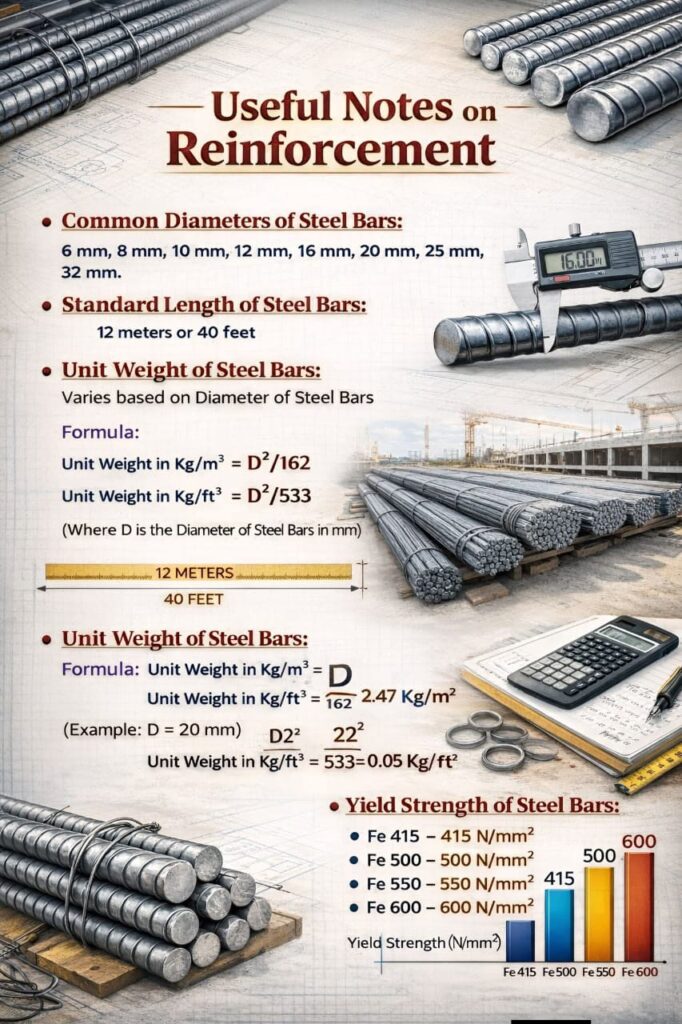
1. What is Steel Rebar? (International Perspective)
Steel rebar is defined as hot-rolled deformed steel bars used to reinforce concrete.
According to international standards (ASTM, BS, ISO):
- Rebar provides tensile strength to RCC
- Ribbed surface improves bonding with concrete
- Works compositely with concrete under load
Steel reinforcement is universally used in:
- Foundations
- Slabs
- Beams & columns
- Bridges & high-rise buildings
Discover More
Property Tax Calculator Unit Converter Quantity Takeoff Sheets Construction Cost Calculator Building Materials House Plans Videos Concrete Calculator Column Steel Calculator2. Why Steel is Used with Concrete
Concrete alone:
❌ Weak in tension
❌ Brittle under bending
Steel rebar:
✔ Strong in tension
✔ Ductile (warning before failure)
✔ Same thermal expansion as concrete
👉 This combination makes RCC one of the strongest construction systems in the world.
3. Types of Steel Rebar
a) Mild Steel (MS) Bars
- Smooth surface
- Lower strength
- Mostly obsolete for RCC
Uses:
- Ties
- Temporary works
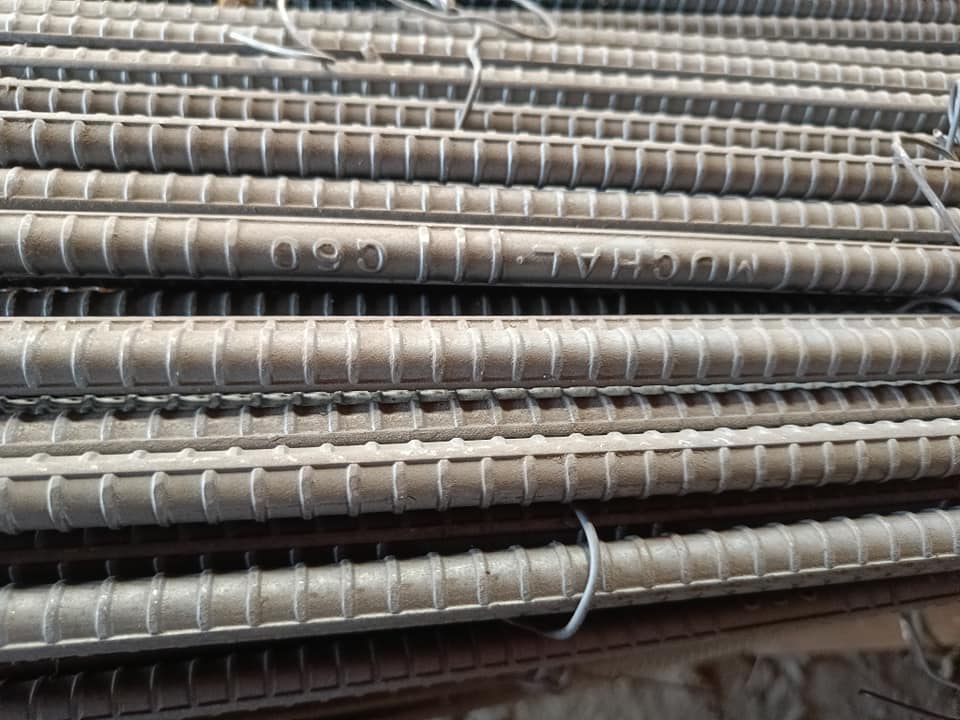
b) Deformed Bars (High Strength Steel)
These are most commonly used in construction.
Characteristics:
- Ribbed surface
- High tensile strength
- Strong bond with concrete
c) Thermo-Mechanically Treated (TMT) Bars
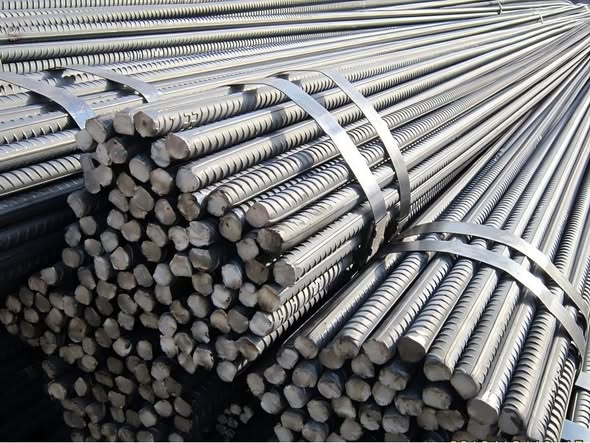
TMT bars are the most widely used steel bars today.
Advantages:
✔ High strength
✔ Excellent ductility
✔ Earthquake resistance
✔ Corrosion resistance
4. Steel Grades (International & Pakistan Practice)
| Grade | Yield Strength | Common Use |
|---|---|---|
| Grade 40 | 276 MPa | Light RCC |
| Grade 60 | 415 MPa | Residential RCC |
| Grade 75 | 500 MPa | High-rise & bridges |
👉 Grade 60 (≈ 60,000 psi) is commonly used in Pakistan.
5. Common Steel Bar Sizes & Uses
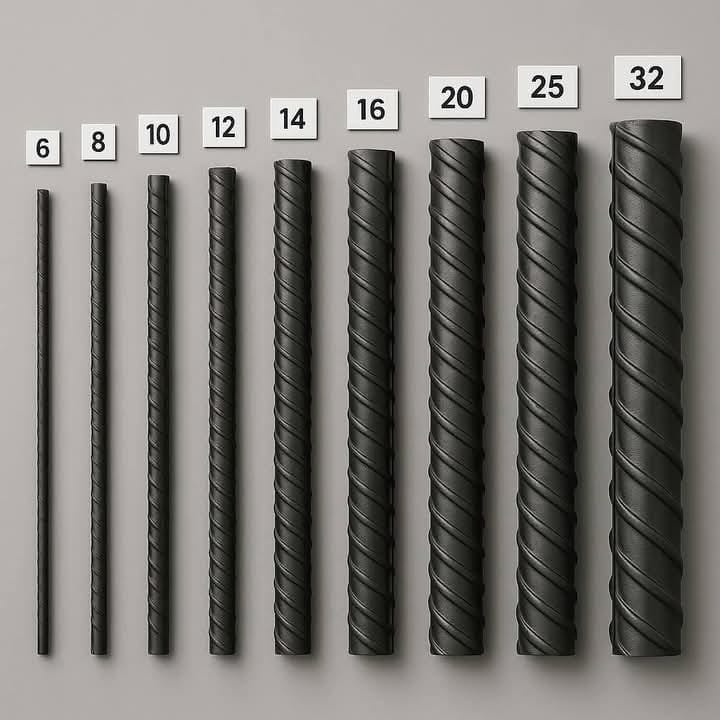
| Bar Diameter | Common Name | Typical Use |
|---|---|---|
| 8 mm | Small Sarya | Slabs, ties |
| 10 mm | Medium | Slabs |
| 12 mm | Standard | Slabs, beams |
| 16 mm | Heavy | Beams, columns |
| 20 mm | Extra Heavy | Columns, foundations |
6. Uses of Steel Rebar in Grey Structure
Foundations & Footings
- Main reinforcement
- Load transfer to soil
RCC Slabs
- Bottom & top steel
- Temperature reinforcement
Discover More
RCC Slab Cost Calculator Block Masonry Calculator Tiles & Marble Calculator Property Tax Calculator 5 Marla Frame Structure Cost & Calculator 5 Marla Grey Structure Cost Guide 5 Marla Foundation Cost Guide Wooden vs Fiber Doors Cost 2025 Basic Components of a Building Guide How to Calculate Steel Quantity in BeamBeams
- Tension steel
- Compression steel
- Stirrups
Columns
- Vertical bars
- Lateral ties
7. Steel Weight Calculation (Most Important Section)
Standard Formula
Weight (kg) = (D² ÷ 162) × Length (m)
Where D = bar diameter in mm
Steel Weight per Meter (Quick Table)
| Diameter | Weight (kg/m) |
|---|---|
| 8 mm | 0.395 |
| 10 mm | 0.617 |
| 12 mm | 0.888 |
| 16 mm | 1.58 |
| 20 mm | 2.47 |
Steel Quantity for RCC (Rule of Thumb)
| RCC Member | Steel % |
|---|---|
| Slab | 0.8 – 1.0% |
| Beam | 1.0 – 2.0% |
| Column | 2.0 – 3.0% |
| Footing | 0.8 – 1.0% |
Example:
Concrete volume = 10 m³
Steel (1%) = 10 × 78.5 kg ≈ 785 kg
8. Steel Quality Checks on Site
✔ Manufacturer name & grade marking
✔ Uniform ribs
✔ No rust flakes
✔ Proper diameter
✔ Bend test without cracking
9. Current Steel Rebar Prices in Pakistan (2025)
Average Market Rates
| Steel Brand | Price (PKR / ton) |
|---|---|
| Mughal Steel | 255,000 – 270,000 |
| Amreli Steel | 260,000 – 275,000 |
| Ittefaq Steel | 250,000 – 265,000 |
| Local Mills | 235,000 – 250,000 |
🔹 Prices vary by:
- City
- Brand
- Market conditions
10. Storage & Handling of Steel
✔ Store above ground
✔ Protect from water
✔ Clean rust before use
✔ Avoid bending damage
11. Common Mistakes to Avoid
❌ Using undersized bars
❌ Ignoring cover requirements
❌ Excessive rust
❌ Poor lapping lengths
12. Frequently Asked Questions (FAQs)
Q1: Which steel is best for house construction?
TMT Grade 60 steel.
Q2: How much steel is required per square foot?
Approx. 3–4 kg per sq ft for residential houses.
Q3: Can rusted steel be used?
Light surface rust is acceptable; heavy rust is not.
Q4: Why ribs are provided on bars?
To improve bonding with concrete.
Amreli Steels → https://amrelisteels.com
Mughal Steel → https://www.mughalsteel.com
Ittefaq Iron → https://ittefaqiron.com
Agha Steel → https://aghasteel.com

Muhammad Bilal is a Civil Engineer and Construction Specialist with an MS in Engineering Management and 13+ years of professional experience. He shares practical construction knowledge, cost estimation, and RCC site expertise at CivilConstructionGuide.com.