
Introduction – What is Sand in Construction?
Sand is one of the most essential fine aggregates used in construction worldwide. It is mixed with cement and water to produce concrete, mortar, and plaster, making it a core component of all grey structure works.
Without proper quality sand, even the best cement and steel cannot achieve the required strength and durability. That’s why sand selection plays a critical role in structural performance.
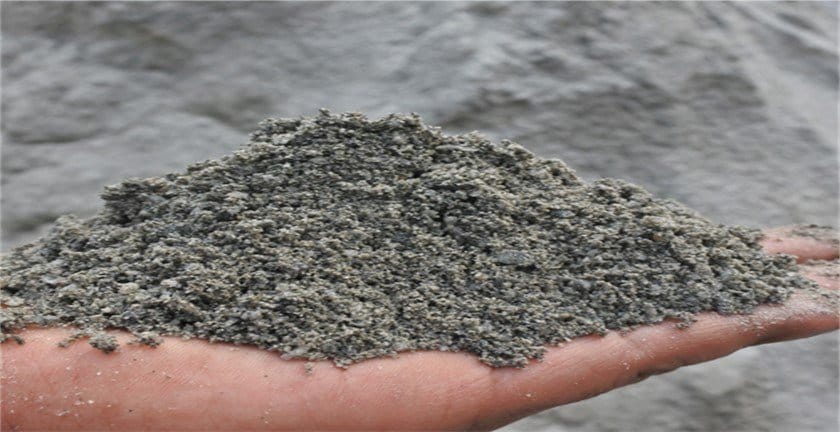
1. What is Construction Sand? (International Perspective)
From an engineering point of view, sand consists of naturally occurring granular material composed of finely divided rock and mineral particles.
According to (ASTM & BS) international standards
- Sand particles range from 0.075 mm to 4.75 mm
- It fills voids between coarse aggregates
- Improves workability, strength, and finish quality
Sand is universally used in:
- RCC structures
- Masonry work
- Plastering
- Flooring & screed
- Road works
👉 RCC Slab Calculator (5 Marla / 10 Marla)
2. Importance of Sand in Concrete & Mortar
Sand performs the following vital functions
✔ Provides bulk to concrete
✔ Reduces shrinkage
✔ Improves workability
✔ Increases compressive strength
✔ Produces smooth plaster finish
Concrete without sand would be weak, porous, and unworkable.
3. Types of Sand Used in Construction
a) River Sand (Natural Sand)
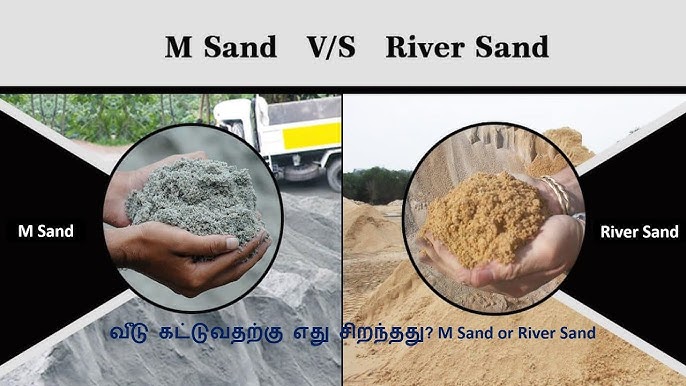
River sand is obtained from riverbeds and is considered the best quality sand for construction.
Uses:
- RCC work
- Plastering
- Masonry
Advantages:
✔ Rounded particles
✔ Low clay content
✔ Excellent bonding
b) Crush Sand (Manufactured Sand / M-Sand)
Crush sand is produced by crushing stones in crushers.
Uses:
- RCC slabs
- Beams & columns
- Foundations
Advantages:
✔ Uniform grading
✔ Strong interlocking
✔ Cost-effective alternative to river sand
c) Pit Sand
Pit sand is excavated from pits and usually contains coarser particles.
Uses:
- Masonry work
- Foundation filling
d) Plaster Sand (Fine Sand)
Plaster sand is specially graded fine sand.
Uses:
- Internal & external plaster
- Decorative finishes
👉 Construction Cost Per Square Foot Calculator
4. Sand Grading (Zone System – IS / BS Standards)
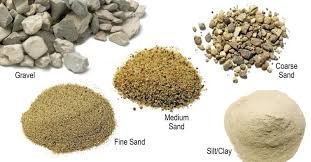
Sand is classified into grading zones:
| Zone | Sand Type | Common Use |
|---|---|---|
| Zone I | Coarse Sand | RCC |
| Zone II | Medium Sand | RCC & Masonry |
| Zone III | Fine Sand | Plaster |
| Zone IV | Very Fine Sand | Not recommended |
👉 Zone II sand is most commonly used in Pakistan.
5. Uses of Sand in Grey Structure Works
RCC Concrete
- Slabs
- Beams
- Columns
- Footings
Masonry Work
- Brick masonry
- Block masonry
Plaster Work
- Internal plaster
- External plaster
Flooring & Screed
- Tile base
- Marble bedding
6. Sand Quantity Calculation (Practical Method)
a) Sand Quantity in Concrete
For 1 cubic meter of concrete (1:2:4):
- Sand ≈ 0.44 cubic meter
Example:
Concrete volume = 10 m³
Sand required = 10 × 0.44 = 4.4 m³
b) Sand Quantity for Brick Masonry
For 1 cubic meter brick masonry (1:6):
- Sand ≈ 0.30 – 0.35 m³
c) Sand Quantity for Plaster
For 100 sq ft plaster (12 mm thickness):
- Sand ≈ 0.25 – 0.30 m³
(Values may vary slightly due to wastage & site conditions)
7. Sand Quality Tests (Site Level)
Silt Content Test
- Fill sand in a bottle with water
- Shake and allow settlement
- Silt content should be less than 8%
Hand Feel Test
- Clean sand should not feel sticky
- Visual Check
- No organic matter
- No clay lumps
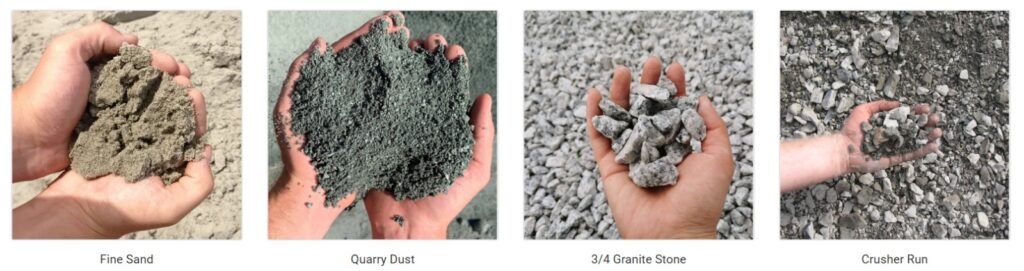
8. Current Sand Rates in Pakistan (2025)
Average Market Prices (Approx.)
| Sand Type | Unit | Price (PKR) |
|---|---|---|
| River Sand | Per CFT | 120 – 150 |
| Crush Sand | Per CFT | 90 – 120 |
| Plaster Sand | Per CFT | 100 – 130 |
🔹 Prices vary by:
- City
- Source
- Transportation distance
9. Storage & Handling of Sand
✔ Store on clean ground
✔ Protect from contamination
✔ Avoid mixing different sand types
✔ Do not use muddy or wet sand
10. Common Mistakes to Avoid
❌ Using unwashed sand
❌ Mixing fine & coarse sand without grading
❌ Ignoring silt content
❌ Using sea sand (corrosive salts)
11. Frequently Asked Questions (FAQs)
Q1: Which sand is best for RCC?
River sand or well-graded crush sand (Zone II).
Q2: Can crush sand replace river sand?
Yes, if properly graded and washed.
Q3: How much sand is required per cement bag?
For concrete (1:2:4), approx. 2 parts sand per cement part.
Q4: Why is fine sand not good for RCC?
It increases water demand and reduces strength.
Pakistan Construction Market (info) → https://www.pakconstruction.com
EngineeringCivil (material guide) → https://www.engineeringcivil.com
The Constructor → https://theconstructor.org
Conclusion
Sand is a foundation material of grey structure construction. Choosing the correct type, grading, and quality of sand ensures strong, durable, and long-lasting structures. Proper estimation and quality control can significantly reduce construction defects and cost overruns.
Discover More
Property Tax Calculator Unit Converter Quantity Takeoff Sheets Construction Cost Calculator Building Materials House Plans Videos Concrete Calculator Column Steel Calculator
Muhammad Bilal is a Civil Engineer and Construction Specialist with an MS in Engineering Management and 13+ years of professional experience. He shares practical construction knowledge, cost estimation, and RCC site expertise at CivilConstructionGuide.com.