
Concrete construction is one of the most important stages in house and building construction. Proper shuttering and deshuttering timing plays a critical role in ensuring structural safety, durability, and long-term performance.
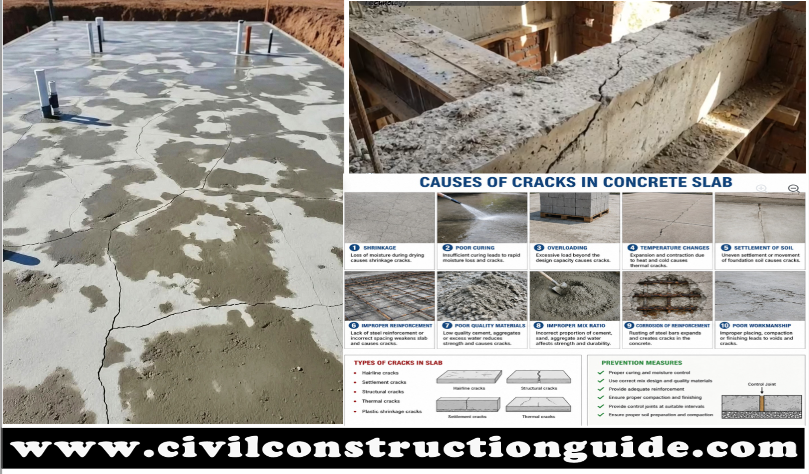
Many construction problems such as cracks, excessive deflection, and structural weakness occur because shuttering is removed too early before concrete gains sufficient strength.
In this detailed guide, we will explain the standard deshuttering time for RCC slabs, beams, columns, cantilever slabs, staircases, and other concrete elements according to common construction practices.
This article is highly useful for homeowners, contractors, site supervisors, civil engineers, and construction students.
Discover More
Property Tax Calculator Unit Converter Quantity Takeoff Sheets Construction Cost Calculator Building Materials House Plans Videos Concrete Calculator Column Steel CalculatorWhat is Deshuttering?
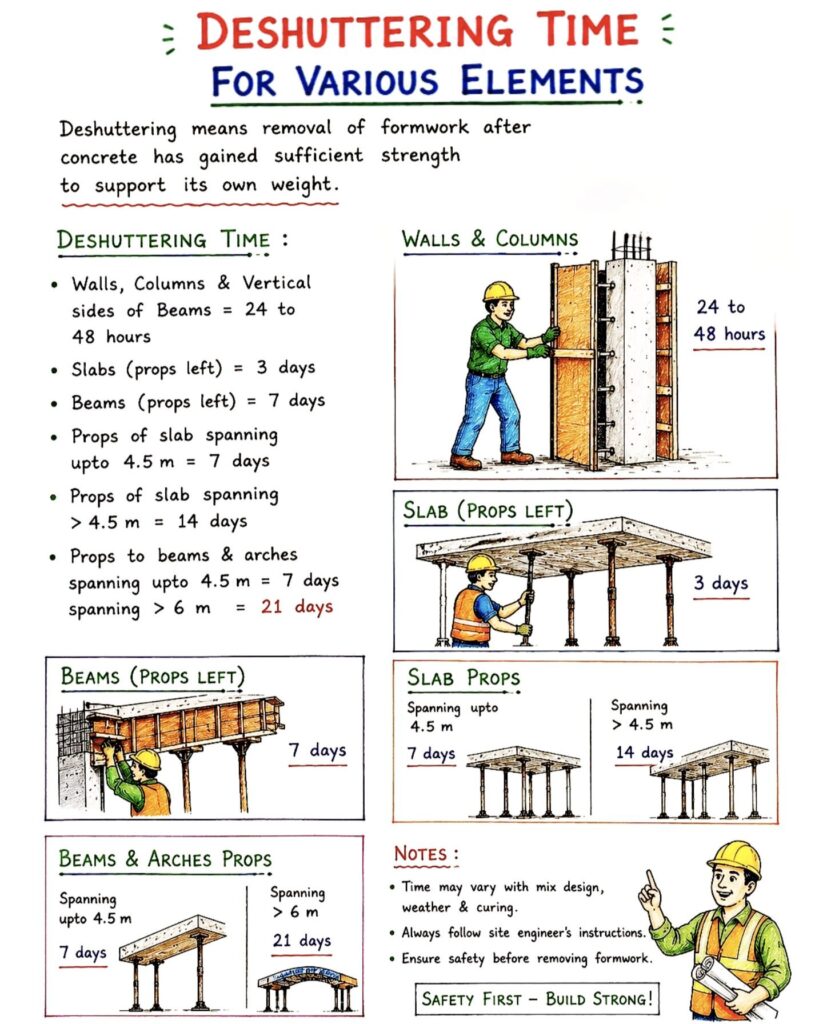
Deshuttering means removing the formwork or shuttering after concrete has achieved enough strength to safely support its own weight and imposed loads.
Formwork is temporarily provided to support fresh concrete until it hardens properly.
Proper deshuttering ensures:
✔ Structural safety ✔ Crack prevention ✔ Proper concrete strength ✔ Better durability ✔ Reduced repair cost
Why Deshuttering Time is Important
Concrete requires time to gain strength after casting. Removing shuttering too early may damage the structure.
Proper deshuttering timing helps:
- Prevent sagging of slabs
- Avoid beam deflection
- Reduce cracks
- Maintain structural alignment
- Improve load-bearing capacity
Standard Deshuttering Time Table for RCC Elements
The following table shows commonly recommended deshuttering periods under normal weather conditions.
| S.No | RCC Element | Recommended Deshuttering Time |
|---|---|---|
| 1 | Vertical sides of columns, walls & beams | 24–48 Hours |
| 2 | Slab soffit (props left under) | 3 Days |
| 3 | Beam soffit (props left under) | 7 Days |
| 4 | Slabs up to 15 ft span | 7 Days |
| 5 | Slabs above 15 ft span | 14 Days |
| 6 | Beams & arches up to 20 ft span | 14 Days |
| 7 | Beams & arches above 20 ft span | 21 Days |
| 8 | Cantilever slabs & chajjas | 14–21 Days |
| 9 | Staircase slabs | 7–14 Days |
| 10 | Columns under load precautions | 2–3 Days |
Discover More
RCC Slab Cost Calculator Block Masonry Calculator Tiles & Marble Calculator Property Tax Calculator 5 Marla Frame Structure Cost & Calculator 5 Marla Grey Structure Cost Guide 5 Marla Foundation Cost Guide Wooden vs Fiber Doors Cost 2025 Basic Components of a Building Guide How to Calculate Steel Quantity in BeamDeshuttering Time for RCC Slab
RCC slabs are one of the most important structural members in residential construction.
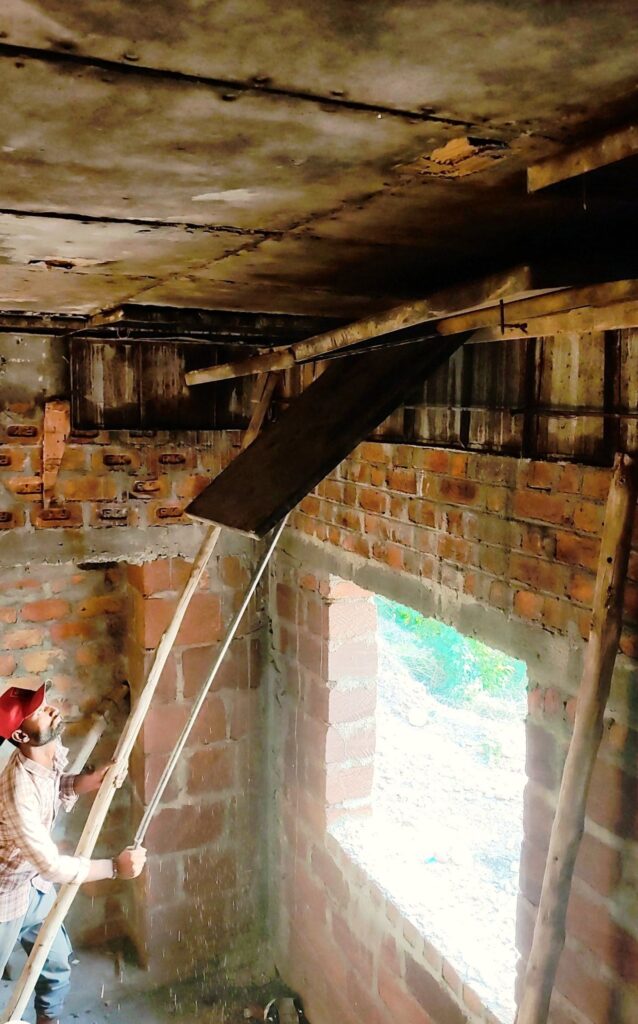
Recommended Time
- Up to 15 ft span → Minimum 7 days
- Above 15 ft span → Minimum 14 days
Important Notes
- Props should remain under the slab for additional safety.
- Proper curing should continue after deshuttering.
Premature slab deshuttering may cause:
❌ Cracks ❌ Excessive deflection ❌ Weak concrete strength
Deshuttering Time for RCC Beam
Beams carry heavy loads from slabs and transfer them to columns.
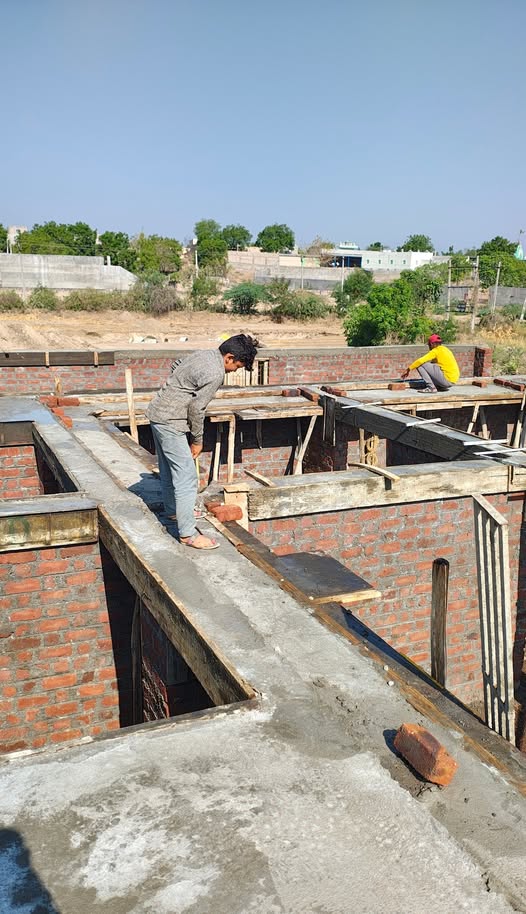
Recommended Time
- Up to 20 ft span → 14 days
- Above 20 ft span → 21 days
Beam shuttering should never be removed early because beams experience high bending stresses.
Deshuttering Time for RCC Column
Columns mainly carry compressive loads.

Recommended Time
24–48 hours under normal weather conditions.
However, loading on columns should be avoided immediately after deshuttering.
Deshuttering Time for Cantilever Slab & Chajjas
Cantilever slabs experience tension and bending without support at one end.
Recommended Time
14–21 days minimum.
For safety, most engineers prefer keeping support for 21 days.
Discover More
Property Tax Calculator Unit Converter Quantity Takeoff Sheets Construction Cost Calculator Building Materials House Plans Videos Concrete Calculator Column Steel CalculatorDeshuttering Time for Staircase Slab
Staircase slabs require sufficient strength before use.
Recommended Time
7–14 days depending on span and loading.
Factors Affecting Deshuttering Time
Several factors influence how quickly concrete gains strength.
1. Weather Conditions
Hot Weather
Concrete gains strength faster.
Cold Weather
Concrete strength development slows down.
In winter, deshuttering time should be increased.
2. Cement Type
Different cement types gain strength at different rates.
OPC (Ordinary Portland Cement)
Fast strength gain.
Low Heat Cement
Slower strength gain.
3. Concrete Mix Ratio
A proper mix ratio improves strength development.
Low cement content may delay concrete hardening.
4. Span Length
Longer spans require more deshuttering time due to higher bending stress.
Discover More
RCC Slab Cost Calculator Block Masonry Calculator Tiles & Marble Calculator Property Tax Calculator 5 Marla Frame Structure Cost & Calculator 5 Marla Grey Structure Cost Guide 5 Marla Foundation Cost Guide Wooden vs Fiber Doors Cost 2025 Basic Components of a Building Guide How to Calculate Steel Quantity in BeamImportance of Concrete Curing Before Deshuttering
Concrete curing is extremely important after casting.
Recommended Curing Time
- Minimum curing → 7 days
- Better curing → 14 days
Proper curing:
✔ Improves concrete strength ✔ Reduces shrinkage cracks ✔ Increases durability ✔ Improves waterproofing
You can also read our complete concrete curing process guide for better understanding.
Common Mistakes During Deshuttering
Many site issues occur due to poor construction practices.
Avoid These Mistakes
❌ Early shutter removal ❌ Weak shuttering support ❌ Poor curing ❌ Heavy loading immediately after deshuttering ❌ Low-quality concrete mix ❌ Improper beam support
Safety Tips During Deshuttering
✔ Remove shuttering carefully ✔ Check concrete hardness before removal ✔ Remove supports gradually ✔ Use skilled labor ✔ Follow engineer instructions ✔ Avoid vibration or impact loads immediately after removal
Professional Recommendation for Residential Houses
For residential construction in Pakistan, the following practical timing is considered safe:
| RCC Element | Recommended Practical Timing |
| Slab | 14 Days |
| Beam | 14–21 Days |
| Cantilever | 21 Days |
| Columns | 2 Days |
| Staircase | 10–14 Days |
This improves structural safety and reduces future maintenance issues.
Watch Detailed Video Explanation
Watch the complete practical explanation of RCC deshuttering timing in the video below.
👉 Insert YouTube Video Here
Frequently Asked Questions (FAQ)
What is the deshuttering time for RCC slab?
Generally 7 days for slabs up to 15 ft span and 14 days for larger spans.
When should beam shuttering be removed?
Beam shuttering is usually removed after 14–21 days depending on span length and concrete strength.
Why is curing important before deshuttering?
Proper curing allows concrete to gain strength and prevents cracks or structural weakness.
What happens if shuttering is removed early?
Early deshuttering may cause cracks, slab sagging, beam deflection, and structural weakness.
Does weather affect deshuttering time?
Yes. Cold weather slows concrete strength gain and may require longer deshuttering periods.
RELATED POSTS
- 10 Marla Slab Cost May 2026 in Pakistan | Complete RCC Lanter Cost with Material Breakdown
- 5 Marla Slab Cost April 2026 in Pakistan | Complete RCC Lanter Cost with Material Breakdown
- Porcelain Tiles – Complete Guide | Types, Uses, Sizes, Advantages & Price in Pakistan (2025)
- Ceramic Tiles – Complete Guide | Types, Uses, Sizes, Rates & Brands in Pakistan (2025)
- Construction Cost Calculator
- ENGINEERING BOOKS
CONCLUSION
Proper deshuttering timing is extremely important for safe and durable RCC construction. Removing formwork too early can create serious structural problems including cracks, deflection, and weakness.
Always follow proper curing procedures, use quality materials, and consult a qualified civil engineer before removing shuttering from slabs, beams, or cantilever elements.
Using proper construction practices at this stage helps improve structural performance, durability, and long-term safety of the building.

Muhammad Bilal is a Civil Engineer and Construction Specialist with an MS in Engineering Management and 13+ years of professional experience. He shares practical construction knowledge, cost estimation, and RCC site expertise at CivilConstructionGuide.com.