
👉 Click Here for More Construction Cost Calculator
Introduction – What is Binding Wire?
Binding wire, commonly known as construction wire or GI binding wire, is a thin steel wire used in reinforced concrete construction to tie steel rebars together before pouring concrete. Although binding wire does not contribute to structural strength directly, it plays a critical role in maintaining reinforcement position, spacing, and alignment.
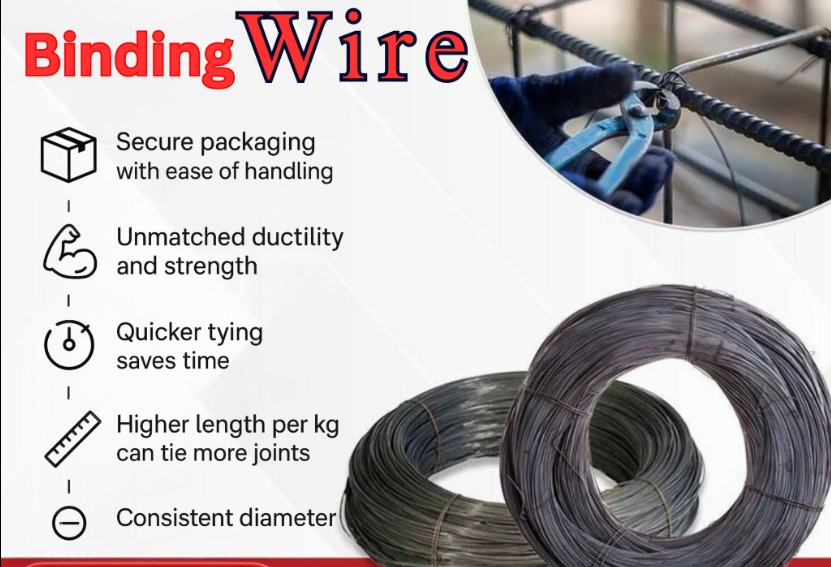
Binding wire is used worldwide in residential, commercial, industrial, and infrastructure projects.
Discover More
Property Tax Calculator Unit Converter Quantity Takeoff Sheets Construction Cost Calculator Building Materials House Plans Videos Concrete Calculator Column Steel Calculator1. What is Binding Wire? (Engineering Definition)
Binding wire is a soft, ductile steel wire, usually manufactured from low-carbon mild steel, designed to be easily twisted by hand or tools for tying reinforcement bars.
It is generally supplied in coils and available in different gauges (diameters).
2. Importance of Binding Wire in Grey Structure
Binding wire ensures:
✔ Proper placement of reinforcement
✔ Correct cover to steel
✔ Prevention of steel displacement during concreting
✔ Accurate structural performance
✔ Faster and organized steel fixing work
Without proper binding, steel bars may shift, leading to structural defects and durability issues.
3. Types of Binding Wire
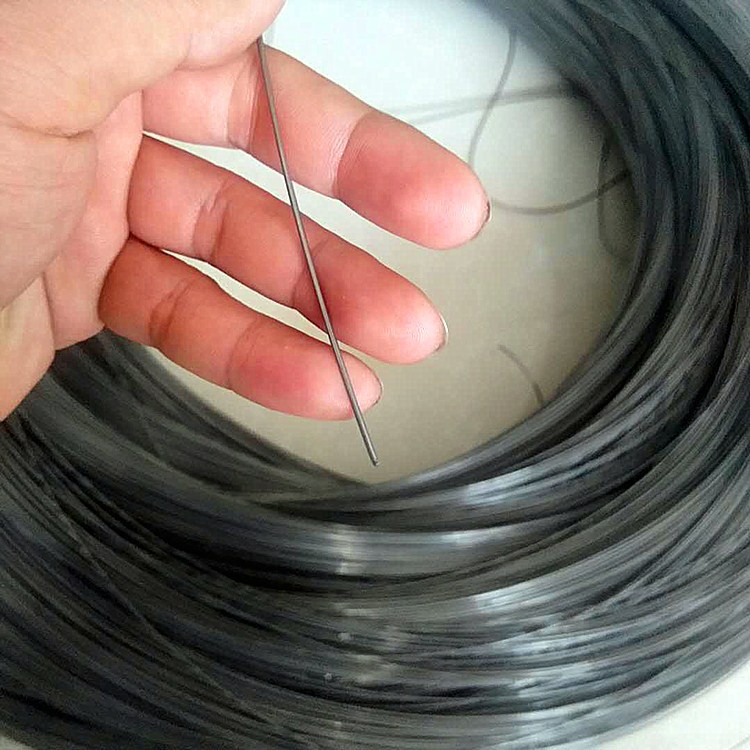
a) Black Annealed Binding Wire
Characteristics:
- Heat-treated (annealed)
- Very soft and flexible
- Easy to twist
Uses:
- RCC slabs
- Beams and columns
- Foundations
👉 Most commonly used type in Pakistan
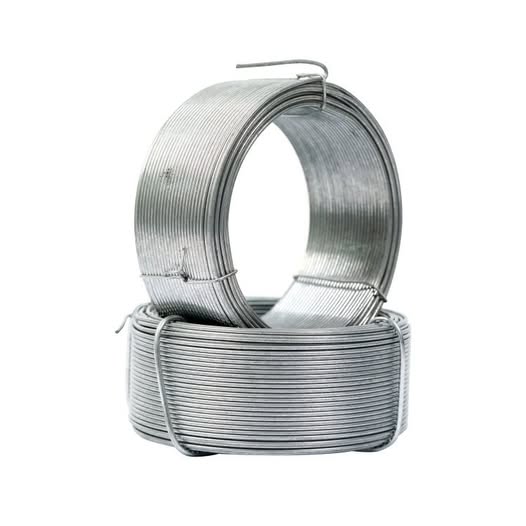
b) Galvanized Iron (GI) Binding Wire
Characteristics:
- Zinc-coated
- Corrosion-resistant
Uses:
- Coastal areas
- Damp environments
- Water tanks and basements
c) PVC Coated Binding Wire
Characteristics:
- Plastic-coated
- High corrosion resistance
Uses:
- Special construction environments
- Chemical plants
Discover More
Property Tax Calculator Unit Converter Quantity Takeoff Sheets Construction Cost Calculator Building Materials House Plans Videos Concrete Calculator Column Steel Calculatord) Stainless Steel Binding Wire (Rare Use)
Uses:
- Marine structures
- High-corrosion zones
4. Standard Sizes (Gauges) of Binding Wire
| Gauge (SWG) | Diameter (mm) | Common Use |
|---|---|---|
| 16 Gauge | 1.6 mm | Heavy reinforcement |
| 18 Gauge | 1.2 mm | General RCC work |
| 20 Gauge | 0.9 mm | Light tying work |
📌 18-gauge binding wire is the most commonly used in house construction.
5. Uses of Binding Wire in Construction
✔ Tying main reinforcement bars
✔ Fixing stirrups
✔ Holding chairs and spacers
✔ Binding column cages
✔ Slab reinforcement fixing
✔ Beam and foundation reinforcement
👉 Click Here for More ENGINEERING BOOKS
6. Binding Wire Quantity Calculation
a) General Thumb Rule
Binding Wire = 0.9% to 1.2% of total steel weight
b) Practical Estimation Method
If steel quantity = 1000 kg (1 ton)
| Percentage | Binding Wire Required |
|---|---|
| 0.9% | 9 kg |
| 1.0% | 10 kg |
| 1.2% | 12 kg |
📌 Recommended:
👉 10 kg binding wire per ton of steel
c) For Small Houses
| House Size | Approx. Binding Wire |
|---|---|
| 3 Marla | 20 – 25 kg |
| 5 Marla | 30 – 35 kg |
| 10 Marla | 55 – 65 kg |
(Depends on steel quantity and design)
7. Binding Wire Consumption in RCC Members
| RCC Member | Consumption |
|---|---|
| Slab | 8–10 kg / ton |
| Beams | 10–12 kg / ton |
| Columns | 12–15 kg / ton |
| Footings | 8–10 kg / ton |
8. Advantages of Binding Wire
✔ Easy to use
✔ Low cost
✔ Flexible and ductile
✔ Ensures structural accuracy
✔ Saves time during steel fixing
9. Disadvantages of Binding Wire
❌ No structural strength
❌ Can corrode if poor quality
❌ Overuse increases cost
10. Quality Check for Binding Wire
✔ Uniform thickness
✔ No cracks or rust
✔ Easy twisting without breaking
✔ Proper annealing (soft feel)
11. Storage & Handling
✔ Store in dry area
✔ Protect from moisture
✔ Keep coils covered
✔ Avoid mixing with scrap steel
12. Current Binding Wire Price in Pakistan (2025)
| Type | Gauge | Rate (PKR/kg) |
|---|---|---|
| Black Annealed | 18 | 380 – 450 |
| GI Binding Wire | 18 | 520 – 650 |
| PVC Coated | — | 650 – 800 |
📌 Prices vary with steel rate, city, and market conditions.
13. Common Mistakes to Avoid
❌ Using very thin wire
❌ Over-tightening causing breakage
❌ Using rusted wire
❌ Ignoring corrosion conditions
14. Frequently Asked Questions (FAQs)
Q1: Does binding wire add strength to RCC?
No, it only holds steel in position.
Q2: Which binding wire is best for house construction?
18-gauge black annealed binding wire.
Q3: How much binding wire is needed per ton of steel?
Approximately 10 kg.
Mughal Steel (binding wire) → https://www.mughalsteel.com
Ittefaq Iron → https://ittefaqiron.com
Agha Steel → https://aghasteel.com
Conclusion
Binding wire may appear small, but it plays a major role in ensuring quality RCC construction. Correct selection, quantity estimation, and proper tying significantly improve structural accuracy and durability

Muhammad Bilal is a Civil Engineer and Construction Specialist with an MS in Engineering Management and 13+ years of professional experience. He shares practical construction knowledge, cost estimation, and RCC site expertise at CivilConstructionGuide.com.
Appreciates the collection of such useful knowledge of civil engineering.