
Introduction – What are Bricks?
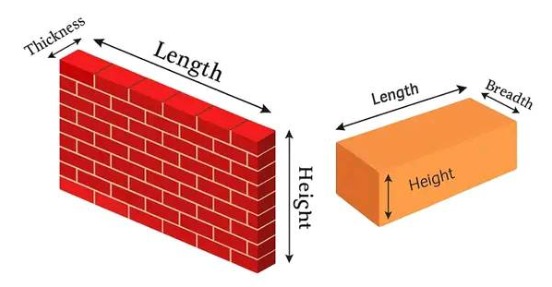
Bricks are one of the oldest and most widely used masonry units in construction. They are rectangular blocks traditionally made from clay and hardened by firing in a kiln. Bricks are mainly used for walls, partitions, and boundary walls in residential and commercial buildings.
Despite modern alternatives, bricks remain popular worldwide due to their availability, durability, thermal comfort, and cost-effectiveness.
Discover More
Property Tax Calculator Unit Converter Quantity Takeoff Sheets Construction Cost Calculator Building Materials House Plans Videos Concrete Calculator Column Steel Calculator1. What are Bricks? (International Perspective)
From an engineering point of view, bricks are small masonry units bonded together using mortar (cement + sand + water) to form walls and other structural or non-structural elements.
According to international standards:
- Bricks must have adequate compressive strength
- Uniform shape and size
- Low water absorption
- Durability against weather effects
Bricks are widely used across:
- Asia
- Europe
- Middle East
- Africa
2. Importance of Bricks in Grey Structure
Bricks play a vital role in building construction:
✔ Provide enclosure and privacy
✔ Carry self-weight and minor loads
✔ Offer thermal insulation
✔ Provide fire resistance
✔ Act as a base for plaster and finishes
In most houses in Pakistan, brick masonry is the primary wall system.
3. Types of Bricks Used in Construction
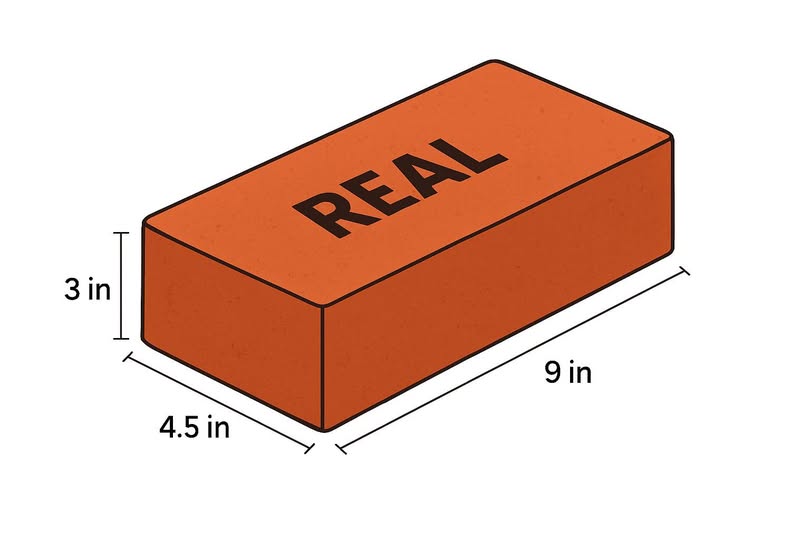
a) First Class Bricks (Awwal Bricks)
Characteristics:
- Uniform size and shape
- Well-burnt in kiln
- Sharp edges
- High strength
Uses:
- Load-bearing walls
- External walls
- High-quality masonry
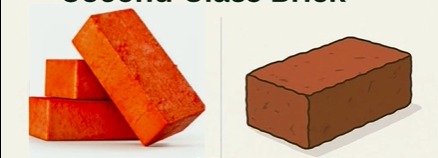
b) Second Class Bricks
Characteristics:
- Slightly irregular shape
- Moderate strength
Uses:
- Internal walls
- Plastered surfaces
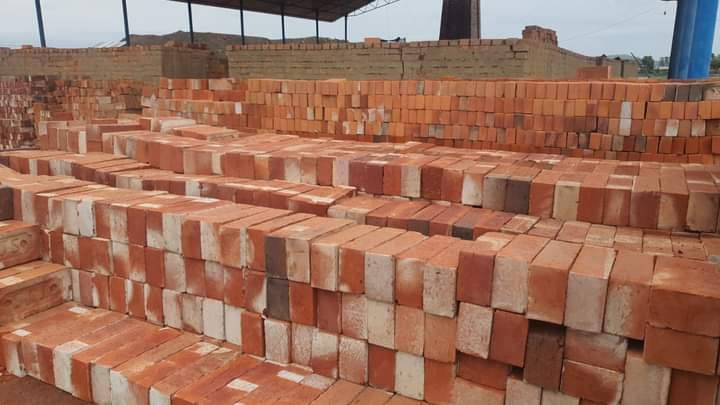
c) Third Class Bricks
Characteristics:
- Under-burnt
- Low strength
Uses:
- Temporary structures
- Non-load-bearing work
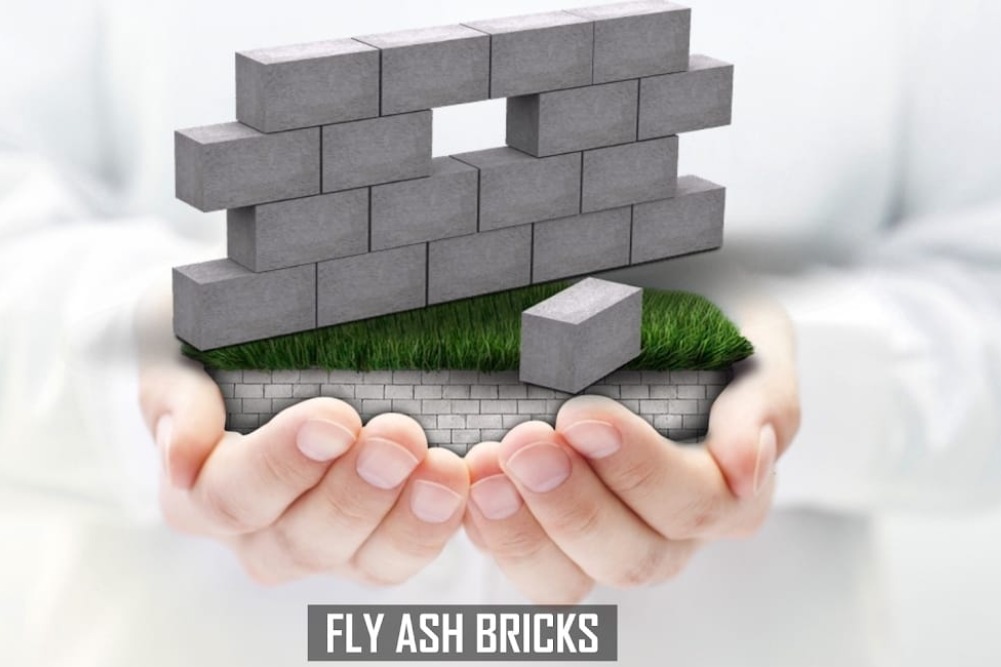
d) Fly Ash Bricks
Characteristics:
- Made from industrial waste
- Smooth surface
- Environment-friendly
Discover More
Property Tax Calculator Unit Converter Quantity Takeoff Sheets Construction Cost Calculator Building Materials House Plans Videos Concrete Calculator Column Steel CalculatorUses:
- Modern construction
- Load & non-load bearing walls
e) Concrete Bricks
Characteristics:
- Cement-based
- Uniform size
- Higher water resistance
Uses:
- Facing masonry
- Boundary walls
4. Standard Brick Size (Pakistan & International)
Pakistan (Traditional)
- 9″ × 4.5″ × 3″
With Mortar
- Approx. 10″ × 5″ × 4″
International (UK Standard)
- 215 × 102.5 × 65 mm
👉 Size affects quantity calculation, so always confirm before estimation.
5. Uses of Bricks in Construction
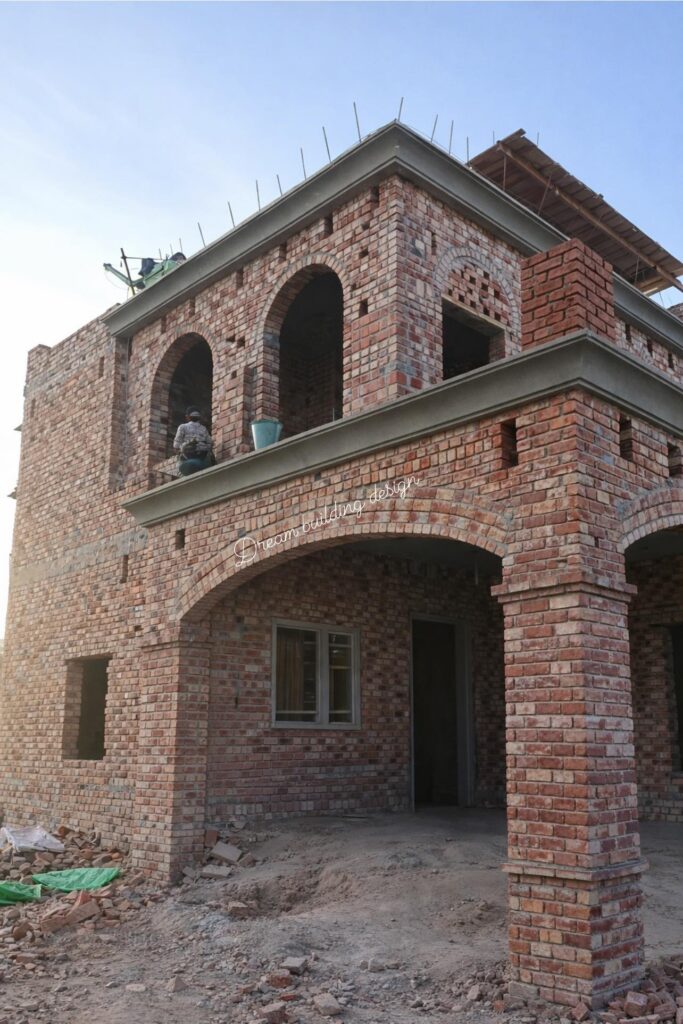
Masonry Walls
- Load-bearing walls
- Partition walls
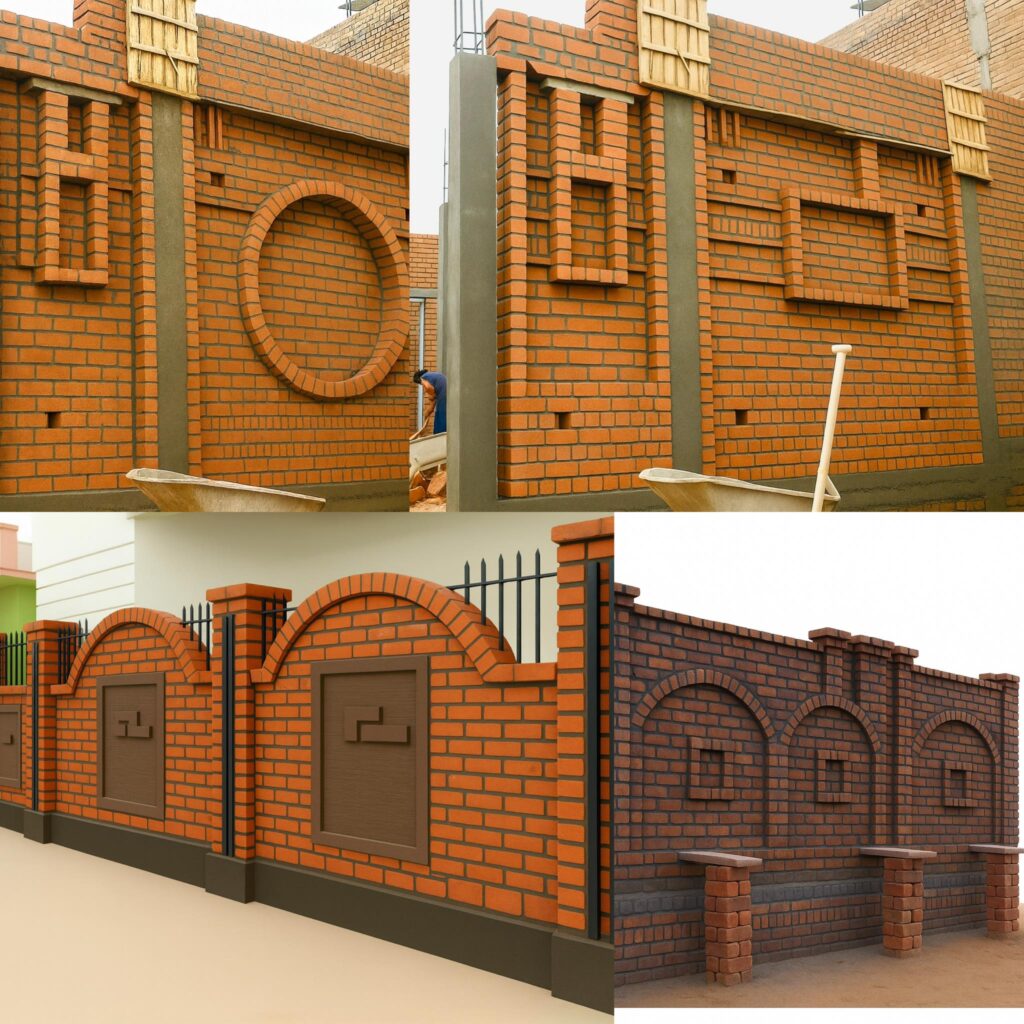
Boundary Walls
- Security walls
- Compound walls
Architectural Features
- Exposed brickwork
- Decorative facades
Discover More
Property Tax Calculator Unit Converter Quantity Takeoff Sheets Construction Cost Calculator Building Materials House Plans Videos Concrete Calculator Column Steel Calculator6. Brick Quantity Calculation (Most Important)
a) Bricks per Cubic Foot
- Standard bricks ≈ 13.5 bricks per CFT
👉 Click Here Brick Masonry Calculator.
b) Bricks per 100 Square Feet Wall
For 9″ thick wall:
- ≈ 1,350 bricks
For 4.5″ thick wall:
- ≈ 675 bricks
c) Mortar Quantity (Approx.)
For 1,000 bricks:
- Cement ≈ 3.5 – 4 bags
- Sand ≈ 0.6 – 0.7 m³
(Mortar ratio 1:6)
7. Brick Masonry Mortar Ratios
| Work Type | Ratio |
|---|---|
| Load-bearing walls | 1:5 |
| Partition walls | 1:6 |
| Boundary walls | 1:6 |
| Damp-proof work | 1:3 |
8. Quality Tests for Bricks (Site Level)
Water Absorption Test
- Should not exceed 20% by weight
Compressive Strength
- Good quality bricks produce a clear ringing sound when struck

Shape & Color
- Uniform shape
- No cracks
- Deep red color (for clay bricks)
9. Current Brick Rates in Pakistan (2025)
Average Market Prices
| Brick Type | Price (PKR / 1,000) |
|---|---|
| Awwal Bricks | 18,000 – 22,000 |
| Second Class | 14,000 – 17,000 |
| Fly Ash Bricks | 16,000 – 19,000 |
| Concrete Bricks | 17,000 – 20,000 |
🔹 Prices vary by:
- City
- Kiln location
- Season
- Fuel cost
10. Storage & Handling of Bricks
✔ Stack on level ground
✔ Protect from rain & mud
✔ Soak bricks before use
✔ Avoid mixing broken bricks
11. Common Mistakes to Avoid
❌ Using dry bricks without soaking
❌ Excessive mortar thickness
❌ Poor bonding pattern
❌ Using low-quality bricks for load-bearing walls
12. Frequently Asked Questions (FAQs)
Q1: Which brick is best for house construction?
First-class (Awwal) bricks.
Q2: How many bricks are required per sq ft?
Approx. 13.5 bricks per CFT.
Q3: Are fly ash bricks better than clay bricks?
They are eco-friendly and uniform but depend on availability and acceptance.
Q4: Why bricks are soaked before use?
To prevent bricks from absorbing water from mortar.
Conclusion
Bricks remain a fundamental material in grey structure construction. Selecting the right type, ensuring quality, and calculating accurate quantities are essential for durable and economical construction. Proper brickwork directly affects the strength, appearance, and life of a building.

Muhammad Bilal is a Civil Engineer and Construction Specialist with an MS in Engineering Management and 13+ years of professional experience. He shares practical construction knowledge, cost estimation, and RCC site expertise at CivilConstructionGuide.com.