
Introduction
Steel reinforcement is the backbone of reinforced concrete (RCC) structures, giving concrete its tensile strength and durability. From residential houses to high-rise buildings, proper steel placement is essential for safe construction. This guide covers everything civil engineers, contractors, and students need to know: types of bars, diameters, lengths, hooks, bends, placement, and bar bending schedule (BBS).
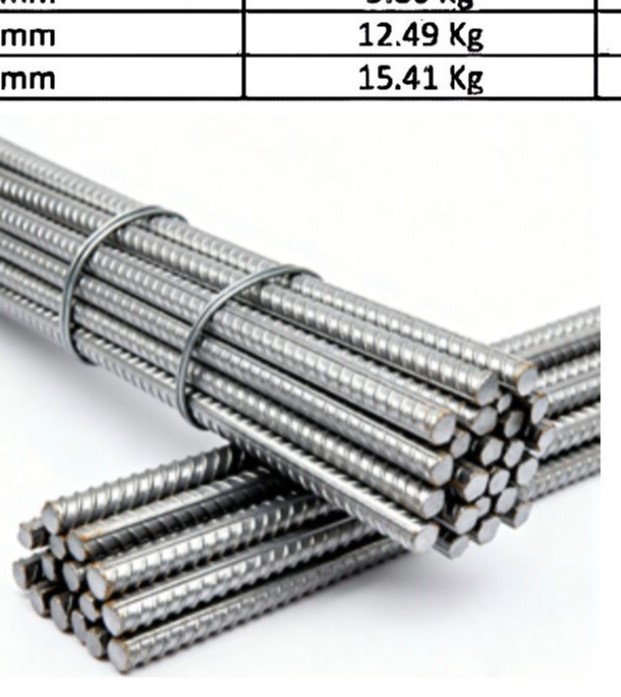
What is Steel Reinforcement?
Steel reinforcement, or rebar, is embedded in concrete to resist tensile and bending stresses. Concrete is strong in compression but weak in tension. Reinforcement ensures structural stability, durability, and earthquake resistance.
Read more: Complete Guide to Steel Reinforcement in Building Construction: Types, Sizes, Bending & Bar ScheduleChecklist for PCC (Plain Cement Concrete)
Benefits:
- Prevents cracking in beams, slabs, columns, and foundations
- Increases tensile strength of structures
- Provides durability and longevity
- Helps resist earthquakes and heavy loads
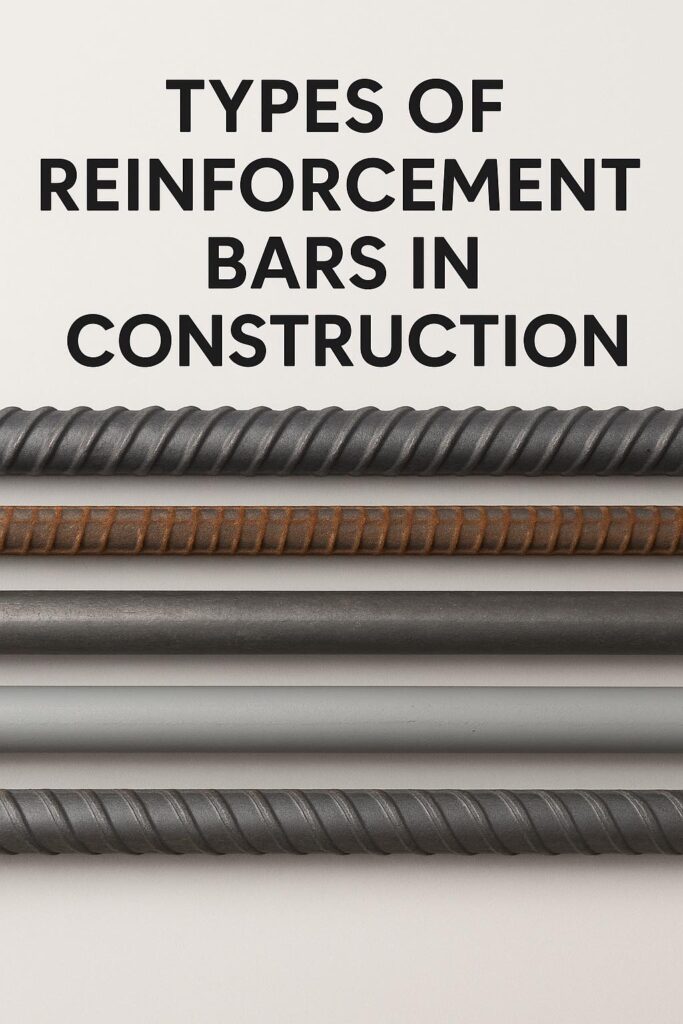
Types of Steel Reinforcement
- Mild Steel (MS) Bars – Cost-effective, good ductility, used in small projects
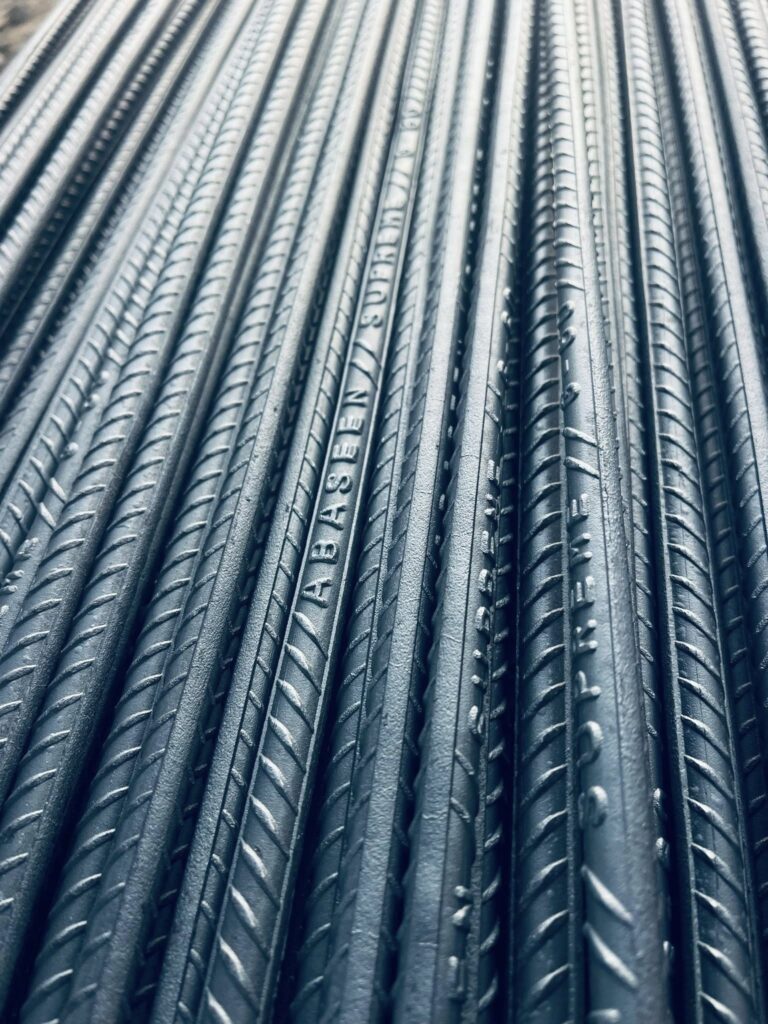
- High Yield Strength Deformed (HYSD) Bars – Strong, excellent bonding, used in large buildings
- Thermo-Mechanically Treated (TMT) Bars – Strong, flexible, corrosion-resistant, widely used
- Cold Twisted Deformed (CTD) Bars – Twisted for extra strength, less common today
Steel Bar Sizes and Standard Lengths
| Type | Diameter (mm) | Standard Length (m) | Use |
|---|---|---|---|
| HYSD/TMT | 8, 10, 12, 16, 20, 25, 32 | 6, 12 | Slabs, beams, columns |
| MS Bars | 6, 8, 10, 12 | 6, 12 | Small foundations, walls |
| CTD Bars | 8, 10, 12, 16 | 6 | Beams, slabs |
Lap Length:
- Mild Steel = 40 × bar diameter
- HYSD / TMT = 50 × bar diameter
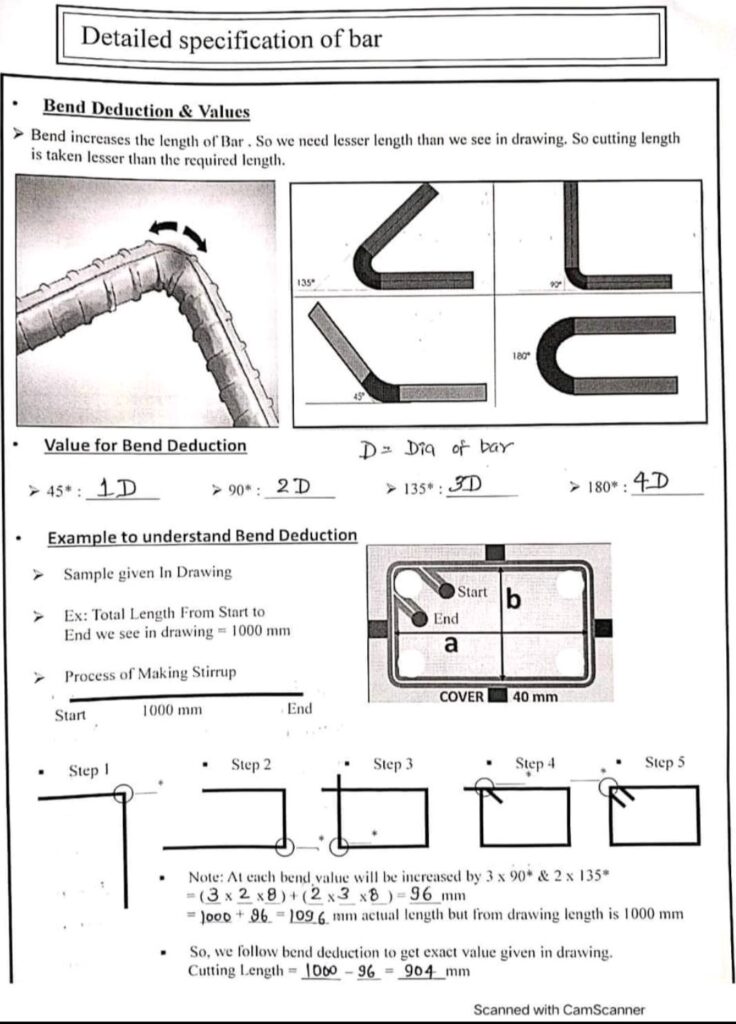
Hooks and Bends
| Bend Type | Angle / Shape | Use |
|---|---|---|
| 90° Bend | L-shaped | Anchoring beams & columns |
| 135° Bend | Hook | Stirrups & column ties |
| U-Bend | U-shaped | Footings & beam stirrups |
| Circular Bend | Rounded | Curved beams & slabs |
Hook Length:
- 90° Hook = 12 × bar diameter
- 135° Hook = 16 × bar diameter
Placement of Steel Reinforcement
- Slabs: Bottom layer for tension, top layer for compression
- Beams: Bottom bars for tension, top bars for compression; stirrups for shear
- Columns: Vertical bars tied with lateral ties
- Footings: Main bars along load direction with proper stirrups
Concrete Cover:
- Slabs: 20 mm
- Beams & Columns: 25–40 mm
- Footings: 50 mm
Bar Bending Schedule (BBS)
A Bar Bending Schedule (BBS) lists all steel bars with type, size, length, bends, and quantity. It ensures proper planning, minimizes wastage, and simplifies construction.
Sample BBS Table:
| Bar Mark | Bar Size (mm) | Length (m) | Shape/Bend | Quantity | Total Length (m) |
|---|---|---|---|---|---|
| B1 | 12 | 6 | Straight | 50 | 300 |
| B2 | 16 | 8 | 90° Hook | 30 | 240 |
| B3 | 10 | 4 | U-Bend | 60 | 240 |
Tips for Civil Engineers & Builders
- Always check grade and quality of steel
- Maintain correct spacing and concrete cover
- Avoid rusty or damaged bars
- Use spacers and chairs for proper placement
- Verify lap splices and hooks per design
- Maintain a steel cutting and bending schedule to reduce wastage
Common Mistakes to Avoid
- Wrong bar diameter or grade
- Ignoring lap lengths
- Incorrect hook angles
- Insufficient concrete cover
FAQs (Frequently Asked Questions)
Q1: What is the purpose of steel reinforcement in concrete?
A1: Steel reinforcement provides tensile strength that concrete alone cannot handle, preventing cracks and structural failure.
Q2: What are the most common steel bars used in construction?
A2: TMT bars, HYSD bars, mild steel bars, and CTD bars are commonly used, with TMT being the most popular today.
Q3: What is a bar bending schedule (BBS)?
A3: BBS is a document listing all steel bars with size, length, shape, bend, and quantity, ensuring accurate and organized construction.
Q4: How long should hooks be in steel bars?
A4: Standard hook lengths are 12 × bar diameter for 90° hooks and 16 × bar diameter for 135° hooks.
Q5: What is the standard concrete cover for steel bars?
A5: Slabs: 20 mm, beams/columns: 25–40 mm, footings: 50 mm.
Read more: Complete Guide to Steel Reinforcement in Building Construction: Types, Sizes, Bending & Bar Schedule
Conclusion
Understanding steel reinforcement — its types, sizes, hooks, bends, placement, and BBS — is crucial for constructing safe, durable, and long-lasting RCC structures. Proper planning and execution prevent wastage, improve safety, and ensure compliance with design standards.

Muhammad Bilal is a Civil Engineer and Construction Specialist with an MS in Engineering Management and 13+ years of professional experience. He shares practical construction knowledge, cost estimation, and RCC site expertise at CivilConstructionGuide.com.
Pingback: Different Values of Slump for Concrete and Slump Test Procedure - Civil Construction Guide