
Introduction – What is Crush (Bajri)?
Crush, commonly known as Bajri, is one of the most important coarse aggregates used in construction. It is obtained by crushing natural stones into different sizes and is a key ingredient of concrete (RCC).
Without quality crush, concrete cannot achieve the required compressive strength, durability, and load-bearing capacity. Therefore, crush selection is a critical factor in grey structure construction, both locally and internationally.
Discover More
RCC Slab Calculator Unit Converter Quantity Takeoff Sheets Construction Cost Calculator Building Materials House Plans Videos Concrete Calculator Column Steel Calculator1. What is Crush? (International Perspective)
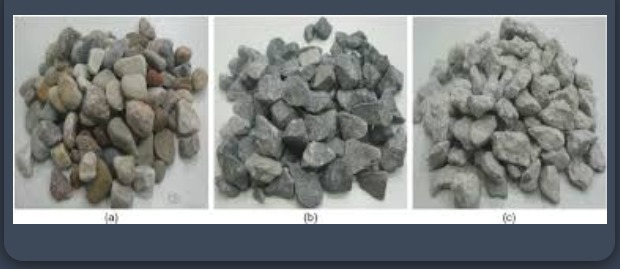
From an engineering point of view, crush is defined as angular fragments of stone produced by mechanical crushing of rocks.
According to international standards (ASTM & BS):
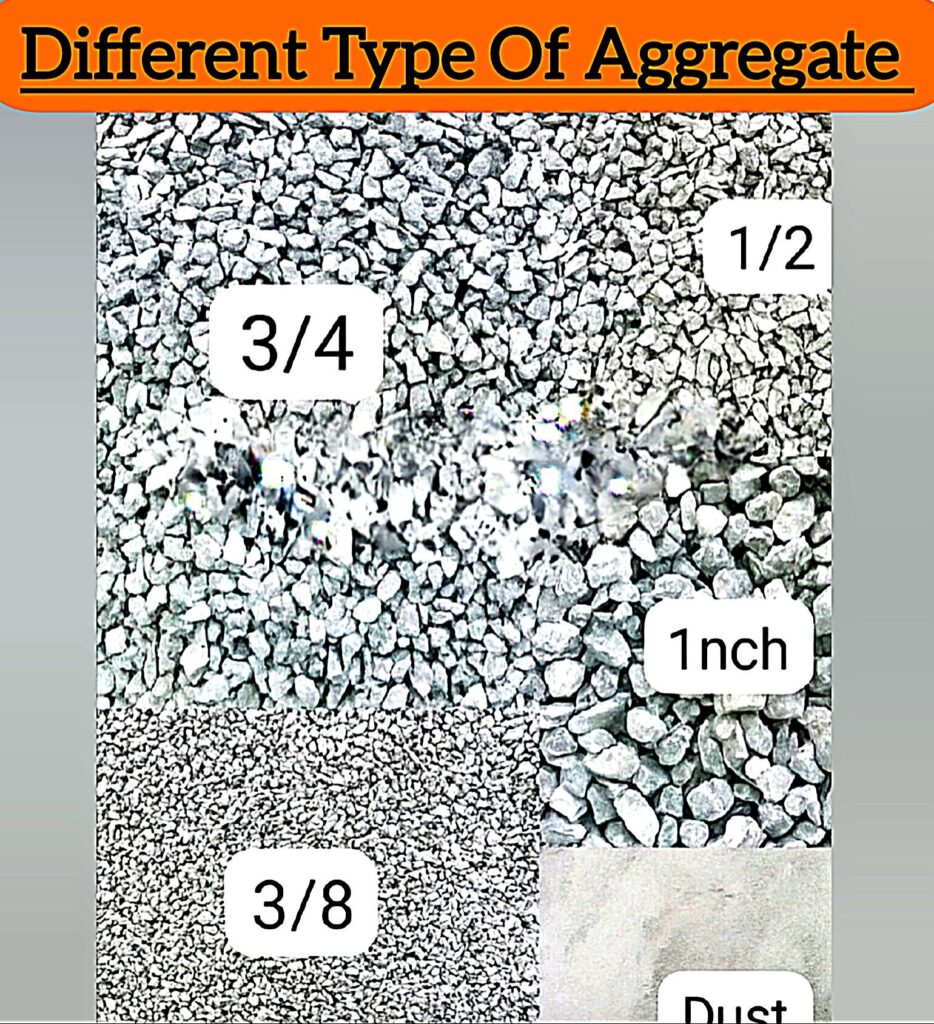
- Crush particle size ranges from 4.75 mm to 40 mm
- It forms about 60–70% of concrete volume
- Angular shape provides better interlocking and strength
Crush is widely used in:
- Residential buildings
- High-rise structures
- Roads & pavements
- Bridges & infrastructure projects
Discover More
RCC Slab Calculator Unit Converter Quantity Takeoff Sheets Construction Cost Calculator Building Materials House Plans Videos Concrete Calculator Column Steel Calculator2. Role of Crush in Concrete
Crush performs the following key functions:
✔ Provides bulk and strength
✔ Reduces cement consumption
✔ Improves load resistance
✔ Enhances durability of RCC
✔ Controls shrinkage and cracking
Concrete without coarse aggregate would be weak, expensive, and impractical.
3. Types of Crush Used in Construction
a) Margalla Crush
Margalla crush is considered the best quality crush in Pakistan.
Characteristics:
- Hard limestone
- Clean & durable
- Uniform shape
Uses:
- RCC slabs
- Beams & columns
- Foundations
b) Sargodha Crush
Sargodha crush is widely used due to availability and cost.
Characteristics:
- Good strength
- Slightly higher absorption than Margalla
Uses:
- Residential RCC work
- Foundations
c) Local Crush
Local crush is produced from nearby stone quarries.
Characteristics:
- Economical
- Quality depends on stone source
Uses:
- Low-cost construction
- Boundary walls
- Lean concrete
4. Crush Sizes & Their Uses
| Crush Size | Common Name | Uses |
|---|---|---|
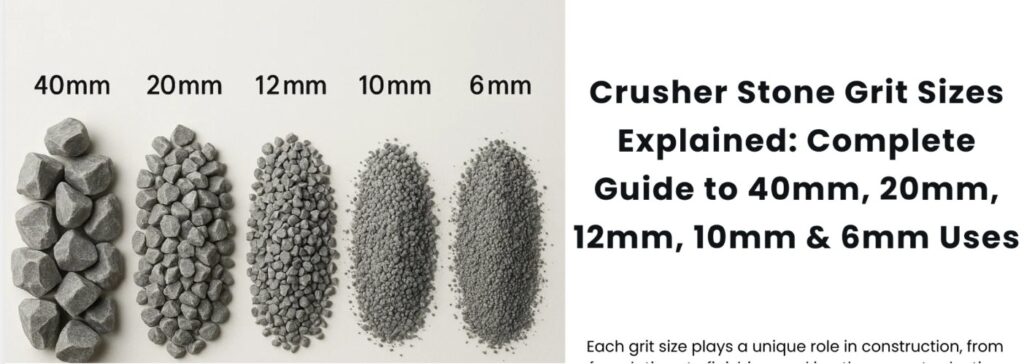
| 10 mm | Fine Crush | Slabs, thin RCC |
| 20 mm | Standard Crush | RCC slabs, beams, columns |
| 40 mm | Coarse Crush | Foundations, footings |
👉 20 mm crush is most commonly used in house construction.
5. Uses of Crush in Grey Structure
RCC Concrete
- Slabs
- Beams
- Columns
- Footings
Foundation Work
- Mass concrete
- PCC
Road & Pavement Work
- Base concrete
- Rigid pavements
6. Crush Quantity Calculation (Practical Method)
a) Crush Quantity in Concrete
For 1 cubic meter of concrete (1:2:4):
- Crush ≈ 0.88 cubic meter
Example:
Concrete volume = 10 m³
Crush required = 10 × 0.88 = 8.8 m³
b) Crush Quantity per Cement Bag
For standard RCC work:
- 1 cement bag requires approx. 4 CFT of crush
(Value may vary based on mix design)
7. Quality Requirements of Good Crush
✔ Hard and durable
✔ Angular shape
✔ Free from dust & clay
✔ Properly graded
✔ Low water absorption
8. Simple Site Tests for Crush Quality
Visual Inspection
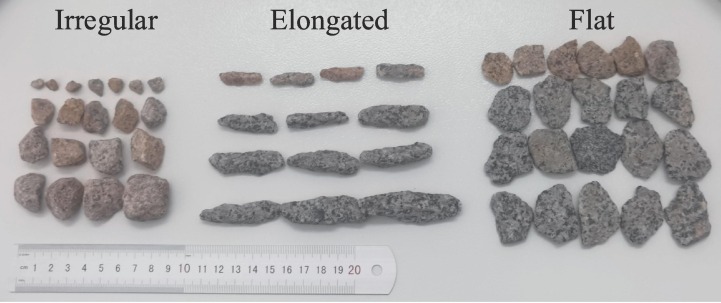
- No flaky or elongated particles
- No dust coating
Soundness Test (Field Check)
- Two stones struck together should produce a ringing sound
Water Absorption Check
- Excessive water absorption indicates poor quality stone
9. Current Crush / Bajri Rates in Pakistan (2025)
Average Market Prices (Approx.)
| Crush Type | Unit | Price (PKR) |
|---|---|---|
| Margalla Crush | Per CFT | 150 – 180 |
| Sargodha Crush | Per CFT | 130 – 160 |
| Local Crush | Per CFT | 110 – 140 |
Prices vary by:
- City
- Quarry location
- Transportation cost
10. Storage & Handling of Crush
✔ Store on clean, firm ground
✔ Keep different sizes separate
✔ Avoid mixing with soil
✔ Wash dusty crush before use
11. Common Mistakes to Avoid
❌ Using dusty or muddy crush
❌ Mixing different sizes randomly
❌ Ignoring grading requirements
❌ Using soft stone aggregates
12. Frequently Asked Questions (FAQs)
Q1: Which crush is best for RCC work?
Margalla or well-graded Sargodha crush.
Q2: Can local crush be used for slabs?
Only if it meets strength and grading requirements.
Q3: Why angular crush is preferred?
Angular shape improves bonding and strength.
Q4: How much crush is needed per cubic meter of concrete?
Approximately 0.88 m³ for standard RCC.
Discover More
RCC Slab Calculator Unit Converter Quantity Takeoff Sheets Construction Cost Calculator Building Materials House Plans Videos Concrete Calculator Column Steel CalculatorConclusion
Crush (Bajri) is the backbone of concrete strength. Selecting the right type, size, and quality of crush ensures durable and safe construction. Proper estimation and quality control help avoid structural issues and unnecessary costs.

Muhammad Bilal is a Civil Engineer and Construction Specialist with an MS in Engineering Management and 13+ years of professional experience. He shares practical construction knowledge, cost estimation, and RCC site expertise at CivilConstructionGuide.com.