
Cracks in concrete are one of the most common problems faced on site. They not only affect the appearance but can also reduce the durability and strength of the structure.
Below is a complete practical guide explaining the types of cracks, their causes, and remedies — so every engineer, contractor, and house owner can understand and fix them properly.
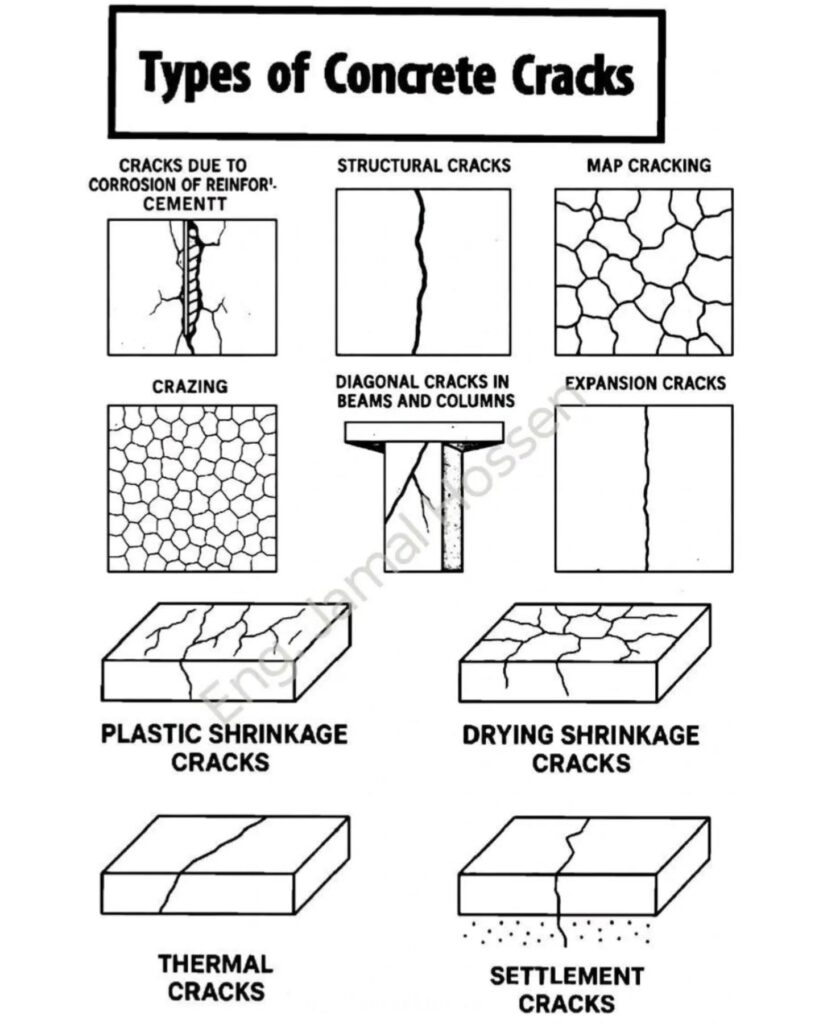
🔹 1. Plastic Shrinkage Cracks
When they occur: Within a few hours after concrete placement.
Appearance: Irregular fine cracks on the surface.
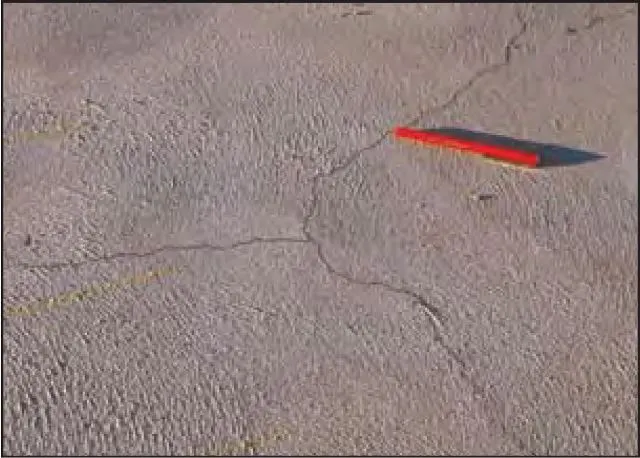
Causes:
- Rapid evaporation of surface moisture
- Hot weather, wind, or low humidity
- Poor curing immediately after finishing
Remedies:
- Avoid concreting during hot or windy conditions
- Use wet burlap, curing sheets, or curing compounds
- Maintain proper moisture on surface for at least 7 days
- Use plasticizers or shrinkage-reducing admixtures
🔹 2. Plastic Settlement Cracks
When they occur: During early setting stage.
Appearance: Cracks forming along reinforcement bars or at changes in section depth.
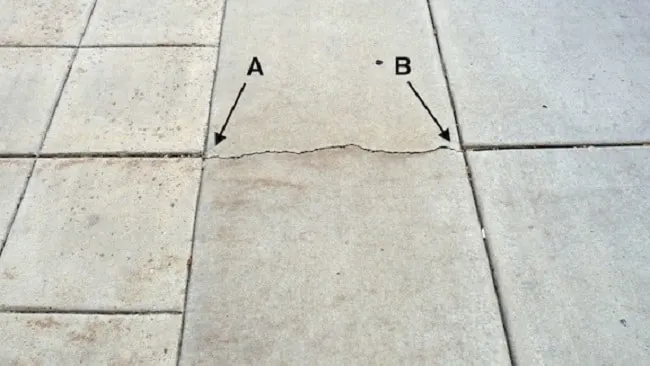
Causes:
- Excessive bleeding and settlement of concrete
- Improper compaction above reinforcement
Remedies:
- Ensure proper vibration and compaction
- Maintain uniform depth of concrete placement
- Adjust mix design to reduce segregation
🔹 3. Drying Shrinkage Cracks
When they occur: After hardening, as concrete loses moisture.
Appearance: Long continuous cracks on slabs, walls, or pavements.
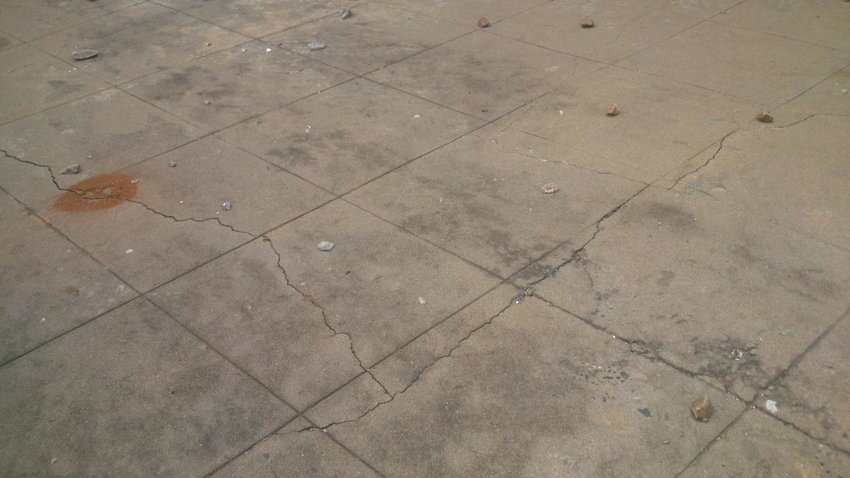
Causes:
- High water–cement ratio
- Poor curing or rapid drying
- Restrained drying due to fixed supports
Remedies:
- Provide control joints at regular intervals
- Reduce water in mix and use proper curing
- Use shrinkage-reducing admixtures
🔹 4. Thermal Cracks
When they occur: In mass concrete or large members.
Appearance: Wide cracks due to temperature difference between core and surface.
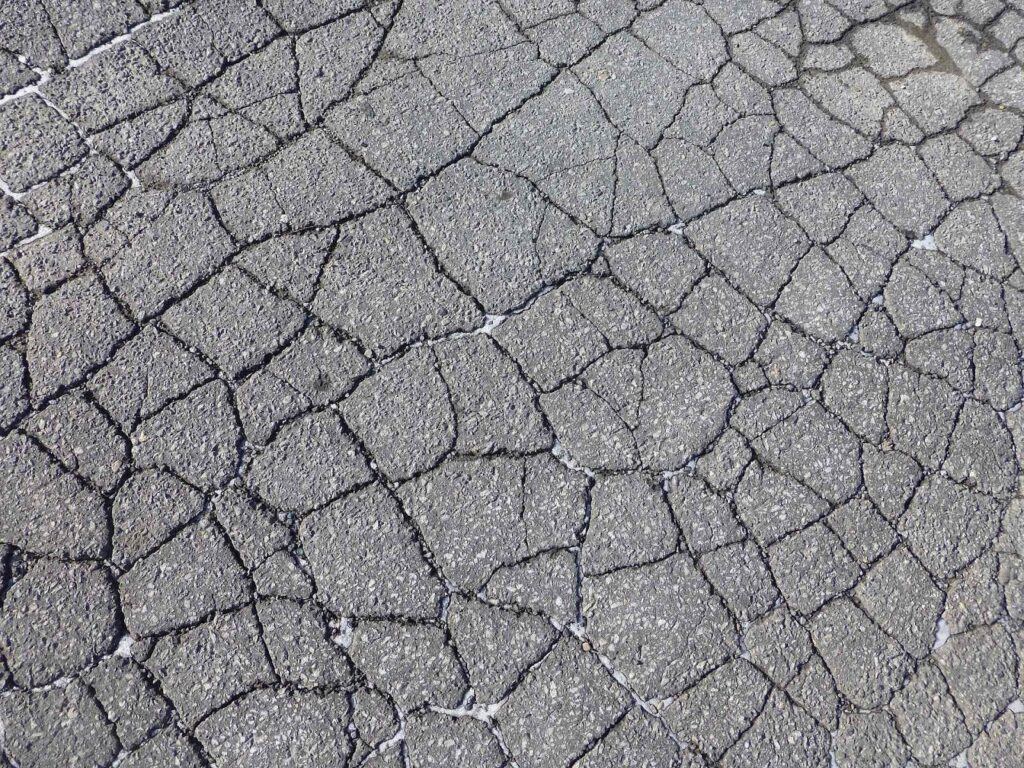
Causes:
- Rapid temperature fall after concrete sets
- High heat of hydration in large pours
Remedies:
- Use low-heat cement
- Control temperature during curing
- Provide expansion joints
- Gradual cooling of mass concrete
🔹 5. Structural Cracks
When they occur: During service life under loading.
Appearance: Deep, wide cracks usually near beam mid-spans, columns, or load-bearing walls.
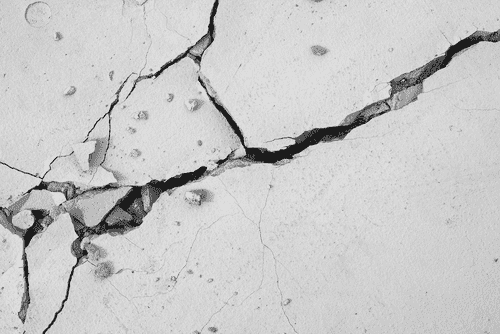
Causes:
- Inadequate reinforcement
- Overloading beyond design limit
- Foundation settlement or design errors
Remedies:
- Strengthen with jacketing or epoxy injection
- Reduce load or modify structural system
- Recheck design and rectify faults
🔹 6. Corrosion Cracks
When they occur: Over time due to rusting of steel.
Appearance: Rust-colored cracks along reinforcement, often causing spalling.
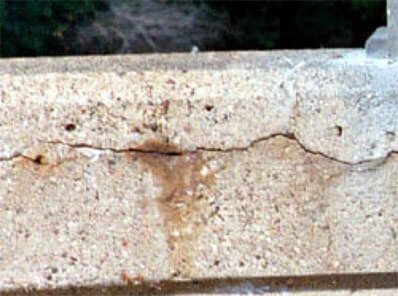
Causes:
- Poor concrete cover
- Chloride contamination (salty water or aggregates)
- Moisture ingress
Remedies:
- Use epoxy-coated or galvanized rebars
- Repair with polymer-modified mortar
- Ensure proper cover and waterproofing
🔹 7. Crazing (Map Cracks)
When they occur: Soon after finishing surface.
Appearance: Fine, hairline cracks forming a web-like pattern.
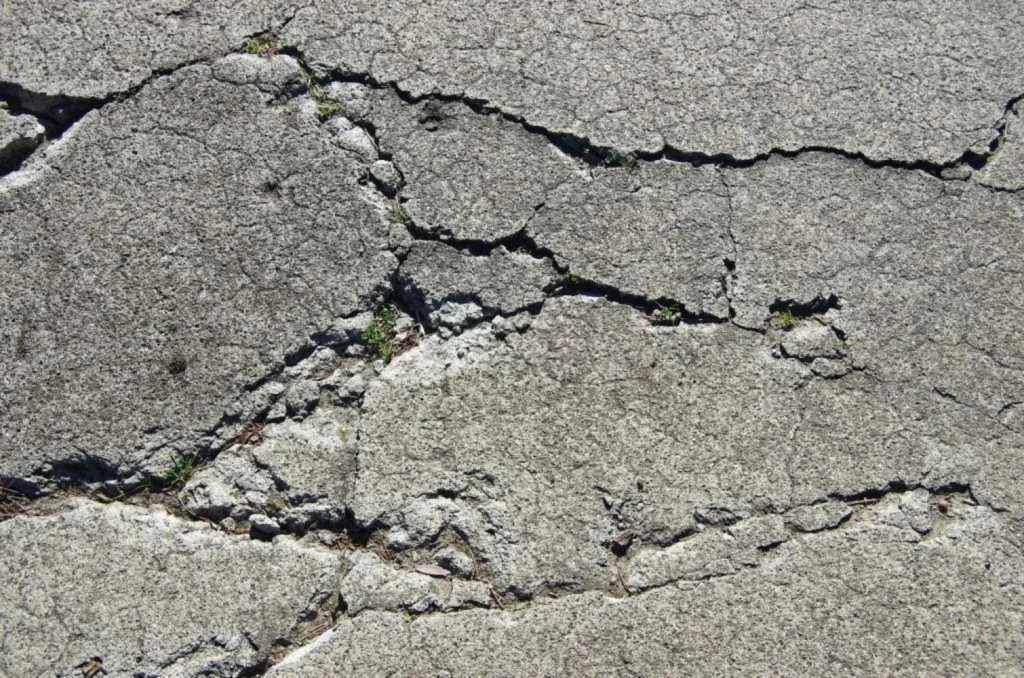
Causes:
- Rapid drying
- Over-troweling surface
- Rich cement mix
Remedies:
- Avoid over-finishing
- Start curing immediately after finishing
- Maintain adequate moisture with curing compounds or wet burlap
🔹 8. Settlement Cracks (Foundation Related)
When they occur: Months or years after construction.
Appearance: Vertical or diagonal cracks starting from base or corners of walls.
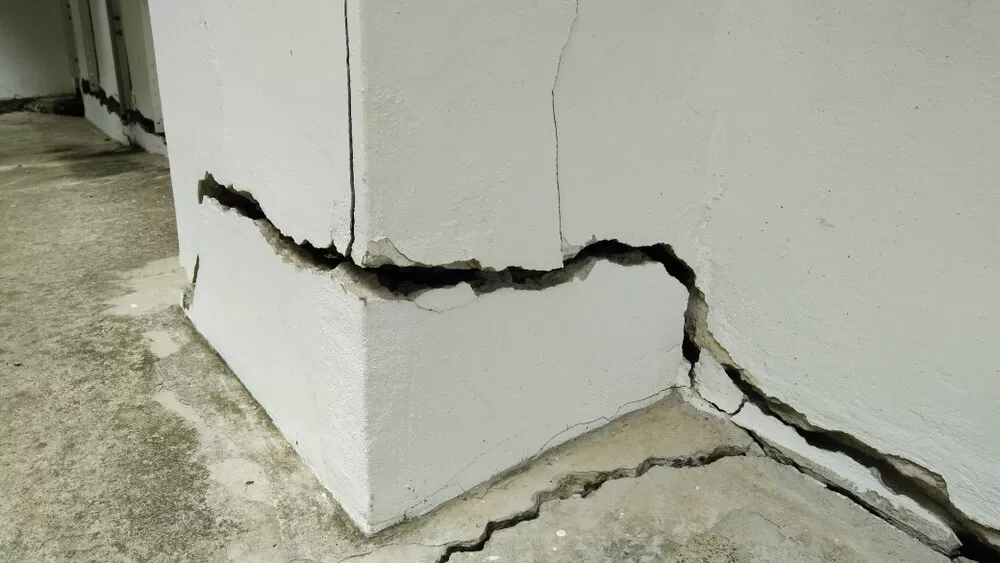
Causes:
- Uneven soil settlement
- Poor soil compaction or weak foundation
Remedies:
- Strengthen foundation through underpinning or grouting
- Proper soil testing and compaction before construction
- Regular monitoring during initial settlement period
🔹 9. Chemical Reaction Cracks (ASR – Alkali Silica Reaction)
When they occur: After several months or years.
Appearance: Random cracks with white/gel deposits.
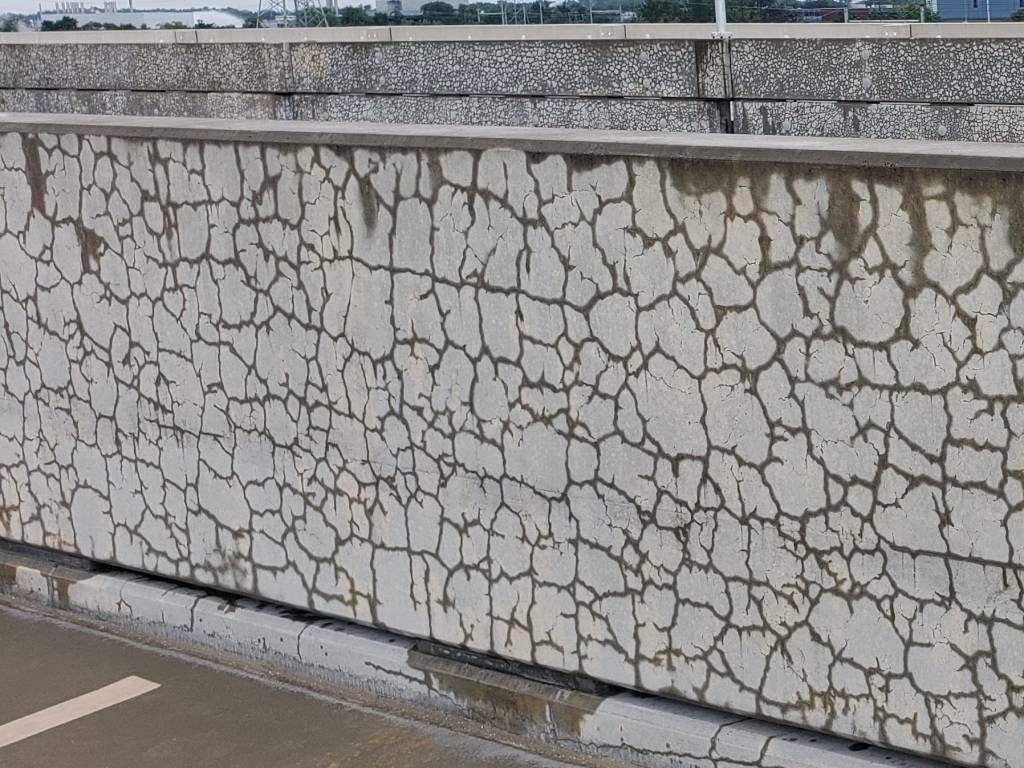
Causes:
- Reaction between alkalis in cement and reactive silica in aggregates
- Continuous moisture exposure
Remedies:
- Use low-alkali cement
- Replace part of cement with fly ash or silica fume
- Prevent continuous water contact
🔹 10. Construction Joint Cracks
When they occur: Between successive pours.
Appearance: Straight line cracks at joint locations.
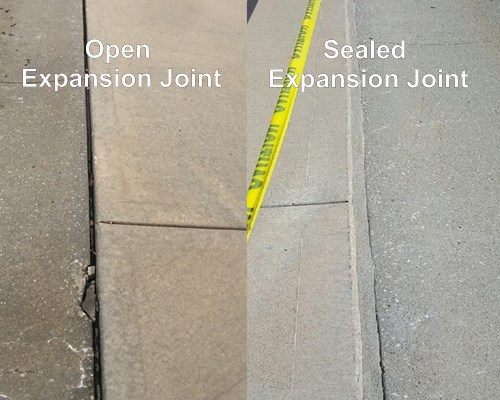
Causes:
- Delay between pours
- Lack of bonding agent or poor compaction
Remedies:
- Apply bonding agent before next pour
- Maintain sequence and timing of concreting
- Ensure good vibration near joints
✅ General Preventive Measures
- Design concrete mix properly (avoid excessive water).
- Ensure adequate curing (minimum 7 days).
- Maintain proper reinforcement cover.
- Provide control and expansion joints where required.
- Avoid concreting in extreme temperatures.
- Conduct regular site inspections to catch early signs of cracking.
👷 Practical Civil Engineers’ Advice
“Cracks are not always structural failures — most are due to poor curing, temperature control, and workmanship. If we control curing and mix design, 70% of cracking issues can be prevented.”
👉 Steel Quantity Thumb Rule for Slab, Beam, Column, and Footing
👉 Best Waterproofing Chemicals for Leakage and Seepage Control
👉 RCC Slab Cost Calculator – Instantly Estimate Your Construction Costs

Muhammad Bilal is a Civil Engineer and Construction Specialist with an MS in Engineering Management and 13+ years of professional experience. He shares practical construction knowledge, cost estimation, and RCC site expertise at CivilConstructionGuide.com.
Pingback: Different Types of Structural Cracks in Buildings – Causes and Remedies - Civil Construction Guide
Pingback: RCC Slab Repair with Ferrocement: Step-by-Step Guide